Moving infrastructure to the cloud sounds like a straightforward upgrade — but businesses that simply copy their existing setup onto cloud servers without rethinking anything often end up paying more, with little of the flexibility or reliability the cloud is supposed to provide. Real cloud migration services involve more than relocation; they involve rearchitecting for how the cloud actually works.
Why Naive "Lift and Shift" Migrations Underdeliver
Taking an application built for a single physical server and deploying it unchanged onto cloud infrastructure often means paying cloud prices while missing cloud benefits — no automatic scaling, no efficient resource usage, and the same architectural bottlenecks that existed before, just running on different hardware.
What Proper Cloud Migration Should Include
Infrastructure Assessment
Understanding what's actually being moved, what dependencies exist, and where the current setup has bottlenecks — before deciding how the new cloud architecture should be structured.
Right-Sizing for Actual Usage
Cloud costs can spiral quickly if resources aren't matched to actual usage patterns. A proper migration includes ongoing cost monitoring and adjustment, not a one-time setup that's never revisited.
Security and Compliance Configuration
Cloud platforms provide powerful security tools, but they need to be configured correctly — a misconfigured cloud environment can be more exposed than a traditional on-premise setup, not less.
Choosing the Right Provider and Services
AWS, Azure, and Google Cloud each have different strengths depending on the workload — the right choice depends on your specific technical requirements, not just brand familiarity.
Why DevOps Matters as Much as the Migration Itself
Moving to the cloud without also building proper DevOps practices — automated deployment pipelines, monitoring, and infrastructure-as-code — means missing most of the actual value of cloud infrastructure. DevOps is what turns cloud infrastructure from "somewhere else to host the same thing" into a genuine competitive advantage.
Core DevOps Practices Worth Investing In
CI/CD Pipelines
Automated build, test, and deployment pipelines mean new features and fixes reach production faster and with fewer manual errors, instead of relying on manual deployment steps that are slow and error-prone.
Infrastructure as Code
Defining infrastructure through code rather than manual configuration makes environments reproducible, version-controlled, and far easier to recover if something goes wrong.
Monitoring and Alerting
Proactive monitoring catches performance issues and outages before customers notice them, rather than finding out about problems through customer complaints.
Signs Your Business Needs Cloud Migration or DevOps Support
- Infrastructure costs are unpredictable or higher than expected relative to actual usage
- Deployments are manual, slow, or frequently cause issues
- Scaling to handle traffic spikes requires manual intervention rather than happening automatically
- There's no clear monitoring in place to catch problems before customers do
Jayshree Technosoft's Cloud and DevOps Practice
Jayshree Technosoft handles cloud migration and DevOps setup across AWS, Azure, and Google Cloud Platform, building CI/CD pipelines and infrastructure automation as part of a broader engineering practice that also covers web, mobile, and blockchain development — meaning cloud infrastructure decisions are made with the actual application architecture in mind, not treated as a separate, disconnected concern.
Move to the Cloud With a Plan, Not Just a Migration
If your current cloud setup is costing more than expected or your deployment process is slowing your team down, talk to Jayshree Technosoft about a cloud migration and DevOps strategy built around your actual infrastructure.
Recent Articles

Custom CRM & Software Solutions for Mobile & Accessories Stores: How Jayshree Technosoft Can Help
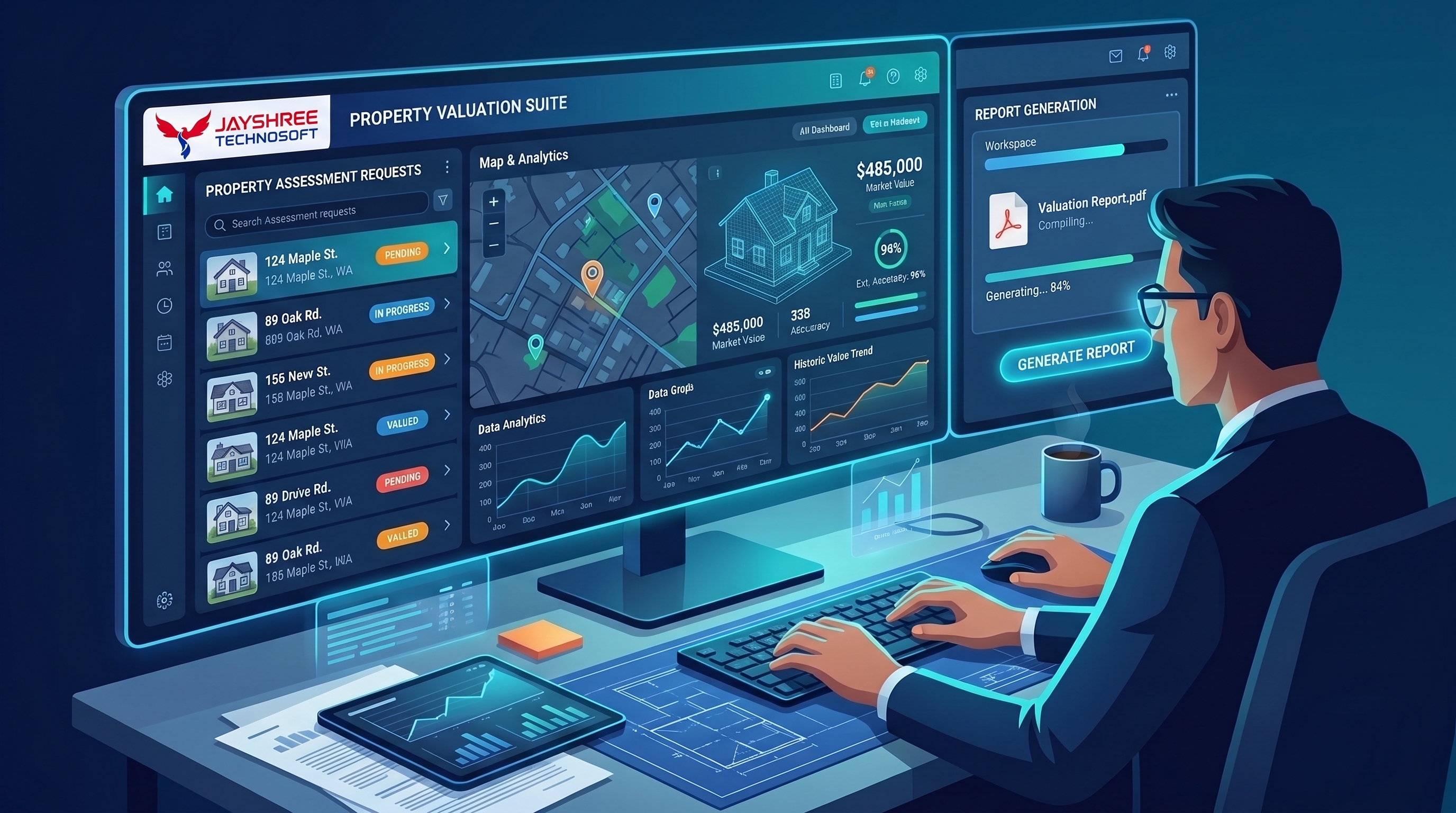
Custom CRM & Software Solutions for Property Valuation & Survey Companies: How Jayshree Technosoft Can Help
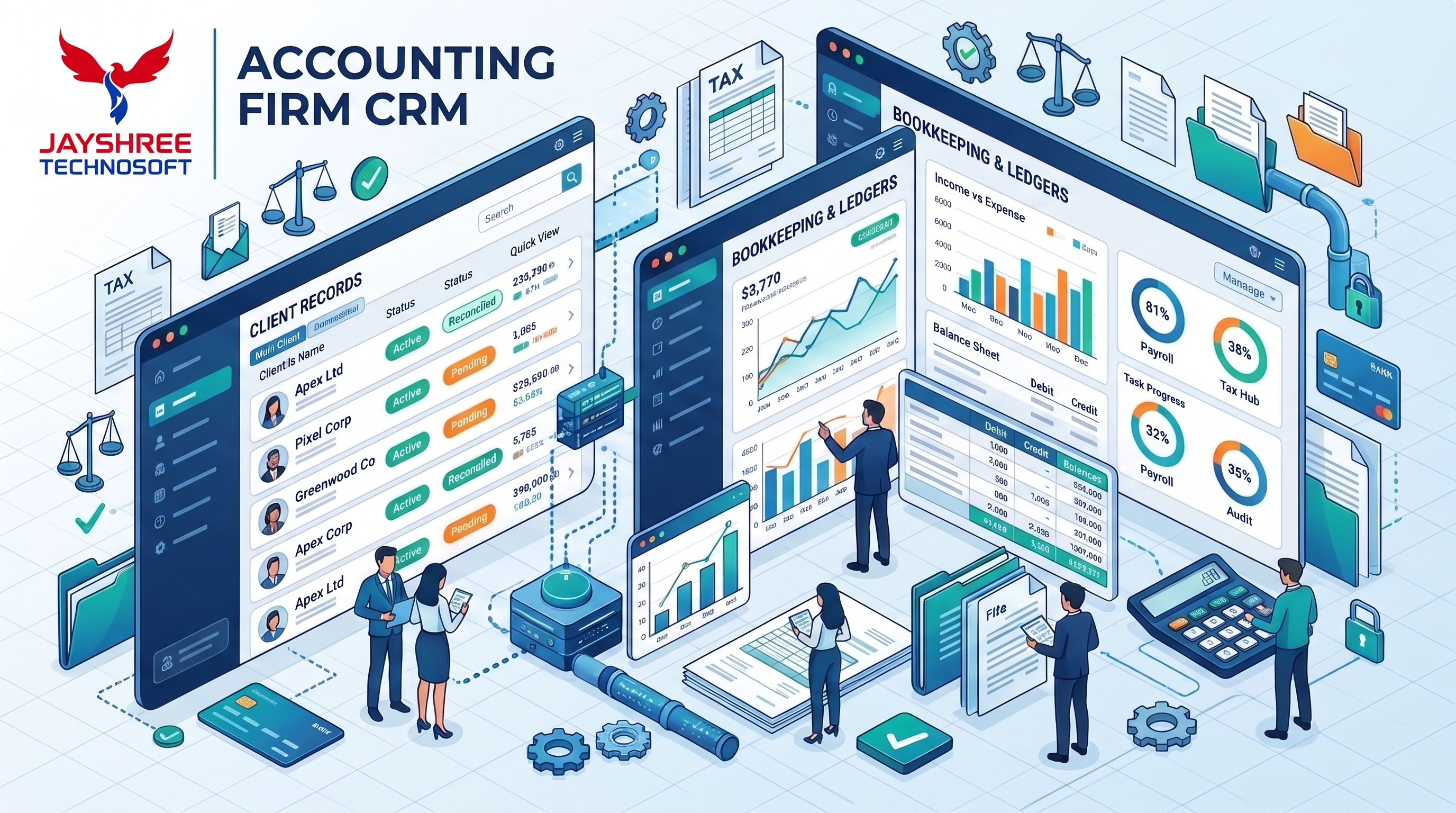
Custom CRM & Software Solutions for Accounting Firms: How Jayshree Technosoft Can Help