Users abandon voice interfaces faster than almost any other interaction method the moment they're misunderstood even once or twice. Unlike a confusing button in a visual interface, a voice assistant that mishears or misinterprets breaks the entire interaction flow immediately, which is exactly why voice assistant development needs a much higher bar for accuracy and natural understanding than most other software features.
Why Voice Interfaces Are Unusually Unforgiving
A visual interface gives users time to read, reconsider, and correct course. Voice interaction happens in real time, with no visual cues to fall back on if something goes wrong — a single misunderstood command can make a user abandon the feature entirely rather than try rephrasing, which is why voice assistant development requires significantly more attention to natural language handling than typical chatbot development.
What Proper Voice Assistant Development Should Include
Robust Speech Recognition
Accurately converting spoken language to text across different accents, background noise levels, and speaking speeds — a voice assistant that only works reliably in ideal, quiet conditions has limited real-world usefulness.
Natural Language Understanding, Not Just Keyword Matching
Recognizing intent across varied phrasing — understanding that "what's my balance," "how much do I have," and "check my account" are all the same request — rather than requiring users to memorize specific commands.
Graceful Handling of Misunderstanding
When the system doesn't understand a request, how it responds matters enormously — asking a clarifying question is far better than a generic failure message that leaves the user unsure what to do next.
Context Retention Across a Conversation
A natural voice interaction often involves follow-up questions or references to something said earlier in the conversation — a system that can't retain this context feels noticeably more robotic and frustrating to use.
Where Voice and Conversational AI Genuinely Add Value
Hands-Free or Eyes-Busy Scenarios
Situations where users can't easily use a screen — driving, cooking, operating equipment — are natural fits for voice interaction, where the alternative (stopping to use a screen) is genuinely worse.
Accessibility
Voice interfaces can significantly improve accessibility for users with visual impairments or limited mobility, providing an interaction method that a purely visual interface can't offer.
Customer Service at Scale
Voice-based automated support for common queries can handle high call volumes without the wait times of purely human staffing, provided the system reliably understands and resolves common requests.
Why Many Voice Projects Underdeliver
Voice features added simply because they're trendy, without a genuine use case where voice interaction beats a visual alternative, tend to see very low actual usage after initial curiosity fades. The strongest voice and conversational AI projects start from a specific scenario where voice interaction is genuinely the better interface, not a feature added for its own sake.
What to Look for in a Voice/Conversational AI Development Partner
- A clear, honest assessment of whether voice interaction genuinely fits your use case
- Experience with natural language understanding, not just basic keyword-triggered commands
- A thoughtful approach to handling misunderstanding gracefully
- Testing across varied accents, environments, and phrasing, not just controlled demo conditions
Jayshree Technosoft's Voice and Conversational AI Development Experience
Jayshree Technosoft builds voice assistants and conversational AI applications as part of its broader AI and machine learning development practice, with particular attention to natural language understanding and graceful error handling — following the same structured five-step process used across every project.
Build a Voice Interface Users Actually Keep Using
If you're considering a voice or conversational AI feature and want an honest assessment of whether it genuinely fits your use case, talk to Jayshree Technosoft about your project.
Recent Articles
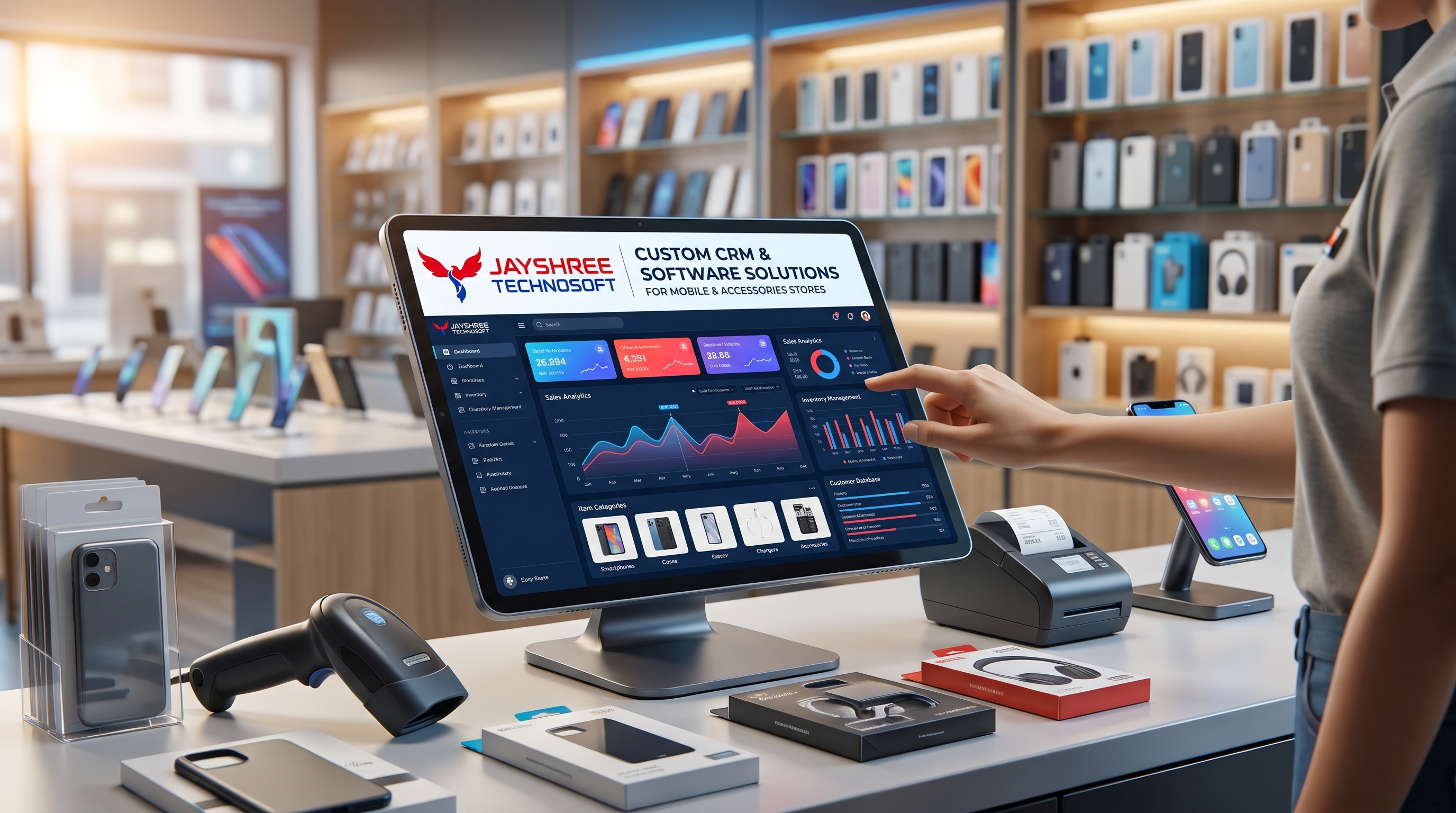
Custom CRM & Software Solutions for Mobile & Accessories Stores: How Jayshree Technosoft Can Help
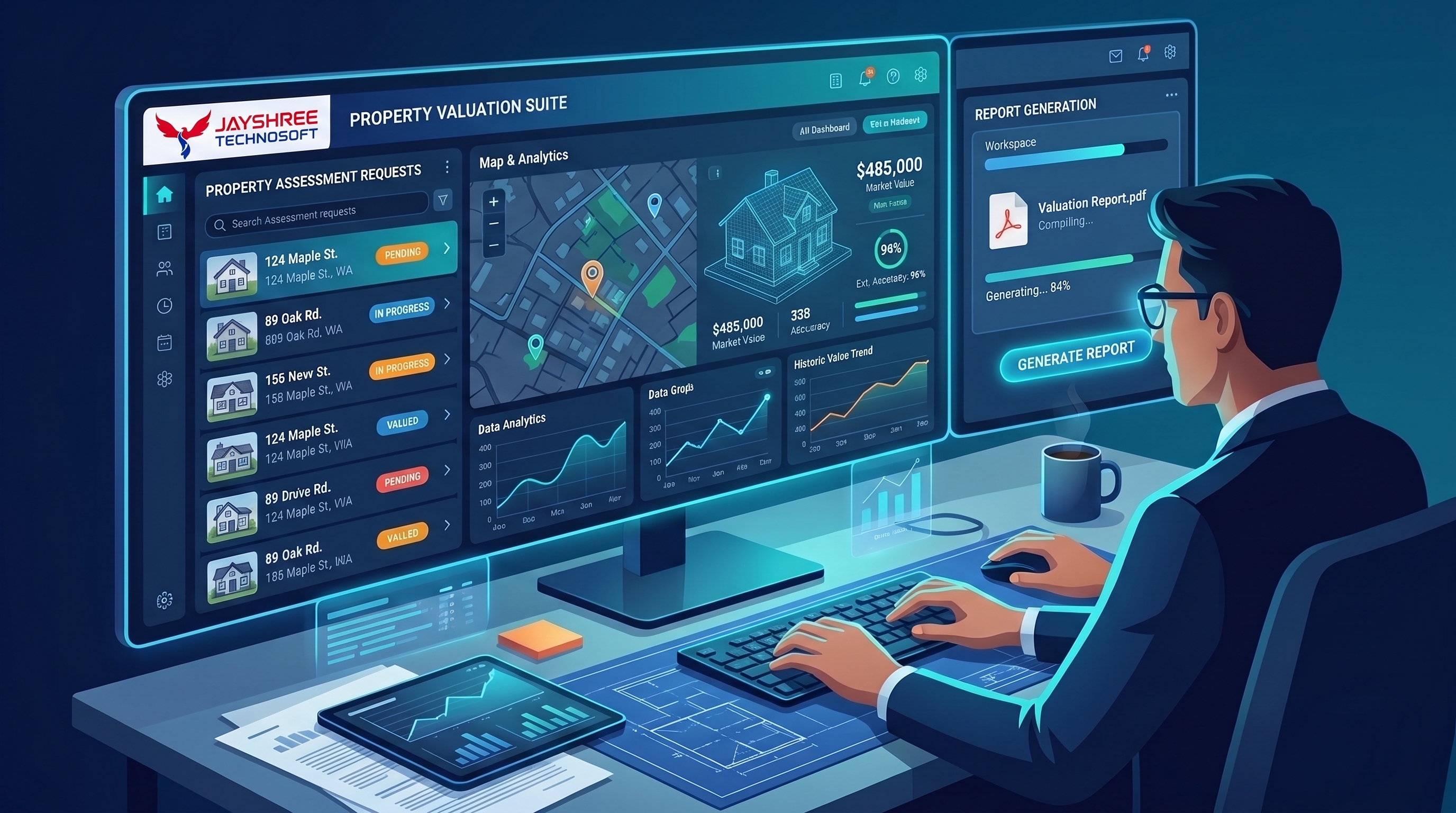
Custom CRM & Software Solutions for Property Valuation & Survey Companies: How Jayshree Technosoft Can Help
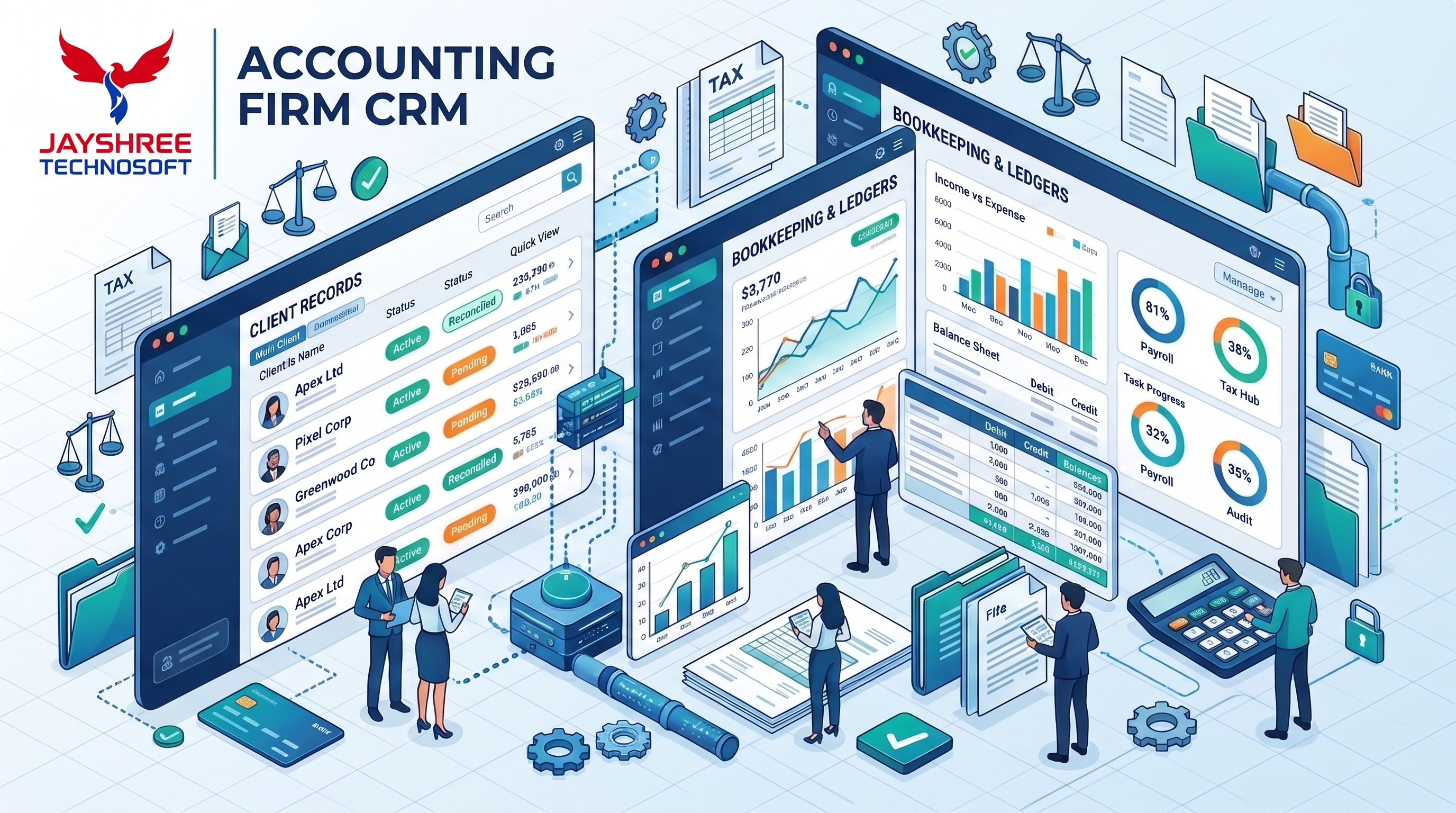
Custom CRM & Software Solutions for Accounting Firms: How Jayshree Technosoft Can Help