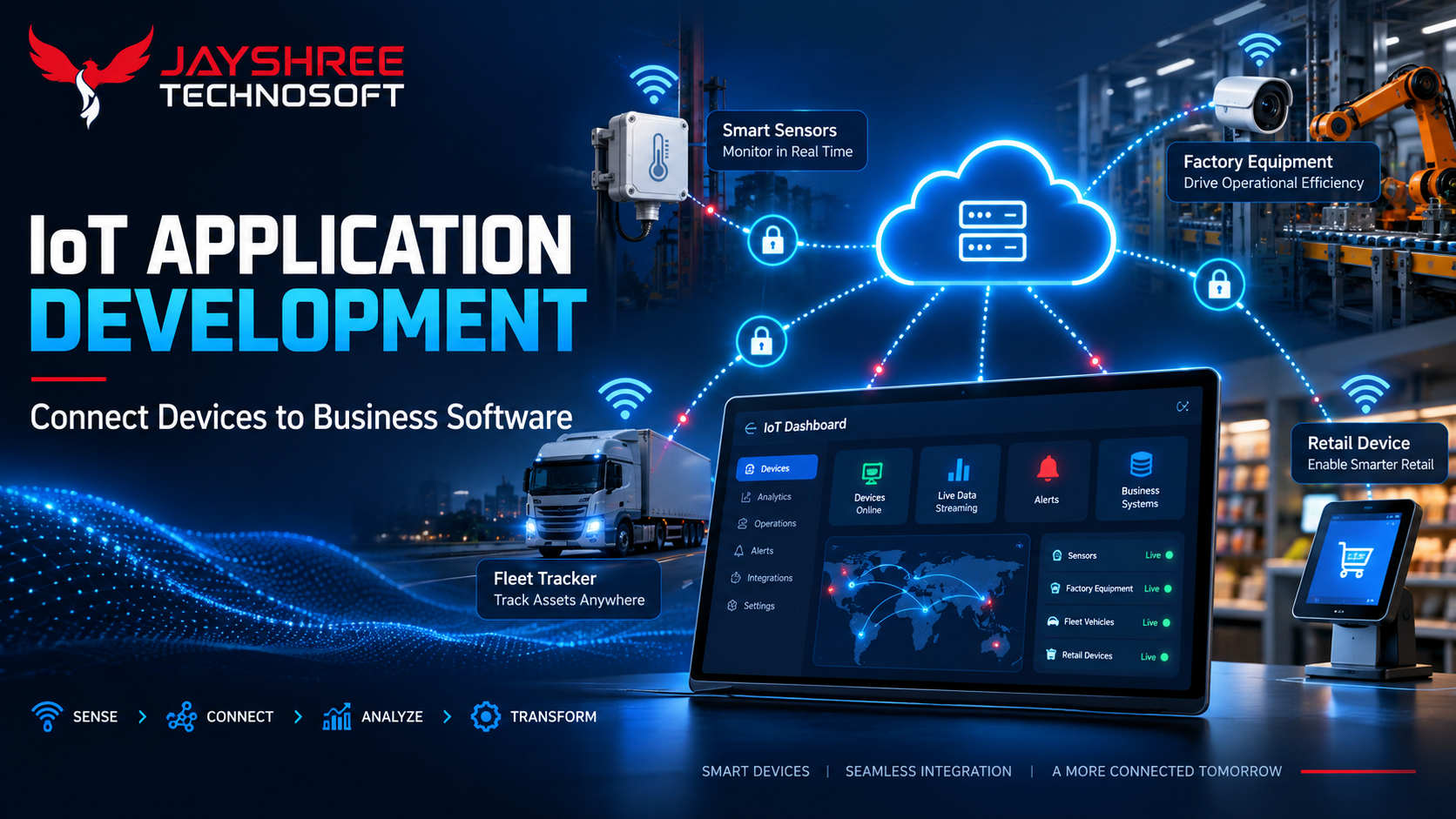
Plenty of "IoT solutions" stop at a dashboard showing live sensor readings, which looks impressive in a demo but rarely changes how a business actually operates. Real value from IoT comes when device data flows directly into the software your team already uses to make decisions — triggering alerts, updating inventory, or feeding into maintenance schedules automatically.
Why Most IoT Projects Underdeliver
A common pattern with IoT initiatives: a business installs sensors, gets a live dashboard, and stops there. Someone still has to manually watch that dashboard, notice a problem, and act on it — which means the "smart" system hasn't actually removed the manual step, just moved it to a different screen.
Where IoT Delivers Real Operational Value
Predictive Maintenance
Sensors on equipment tracking vibration, temperature, or usage hours can flag developing issues before a breakdown happens — but only if that data feeds into a maintenance scheduling system that automatically creates a work order, not just a chart someone has to check.
Automated Inventory & Asset Tracking
RFID or sensor-based tracking that updates inventory records in real time as goods move through a warehouse, removing manual stock counts and the errors that come with them.
Environmental & Compliance Monitoring
For industries like food storage, pharmaceuticals, or manufacturing, continuous temperature or condition monitoring that automatically logs compliance data and alerts staff the moment a threshold is breached, rather than relying on periodic manual checks.
Remote Equipment Monitoring
For businesses managing distributed equipment — vehicles, machinery, installed systems at customer sites — real-time status visibility without needing someone physically present to check.
What Makes IoT Development Genuinely Difficult
Beyond wiring up sensors, the harder engineering problems are: reliably handling data from devices with intermittent connectivity, designing systems that scale as device count grows into the hundreds or thousands, and — critically — building the integration layer that connects device data to the actual business software (ERP, CRM, maintenance systems) where decisions get made.
The Integration Layer Is Where Value Actually Gets Created
A temperature sensor by itself is just a number. The same sensor, wired into a system that automatically creates a maintenance ticket, alerts the right staff member, and logs a compliance record — that's the difference between an IoT gadget and an IoT solution that actually changes daily operations.
How Jayshree Technosoft Approaches IoT Projects
Rather than treating IoT as a standalone dashboard project, Jayshree Technosoft LLP's cloud and backend engineering team focuses on the integration work — connecting device data into existing business systems (ERP, inventory, maintenance workflows) so IoT investment translates into fewer manual checks and faster response to real issues, not just prettier charts.
Have a device-data problem to solve? Discuss your project with the team.
Recent Articles
Custom CRM & Software Solutions for Mobile & Accessories Stores: How Jayshree Technosoft Can Help
Custom CRM & Software Solutions for Property Valuation & Survey Companies: How Jayshree Technosoft Can Help
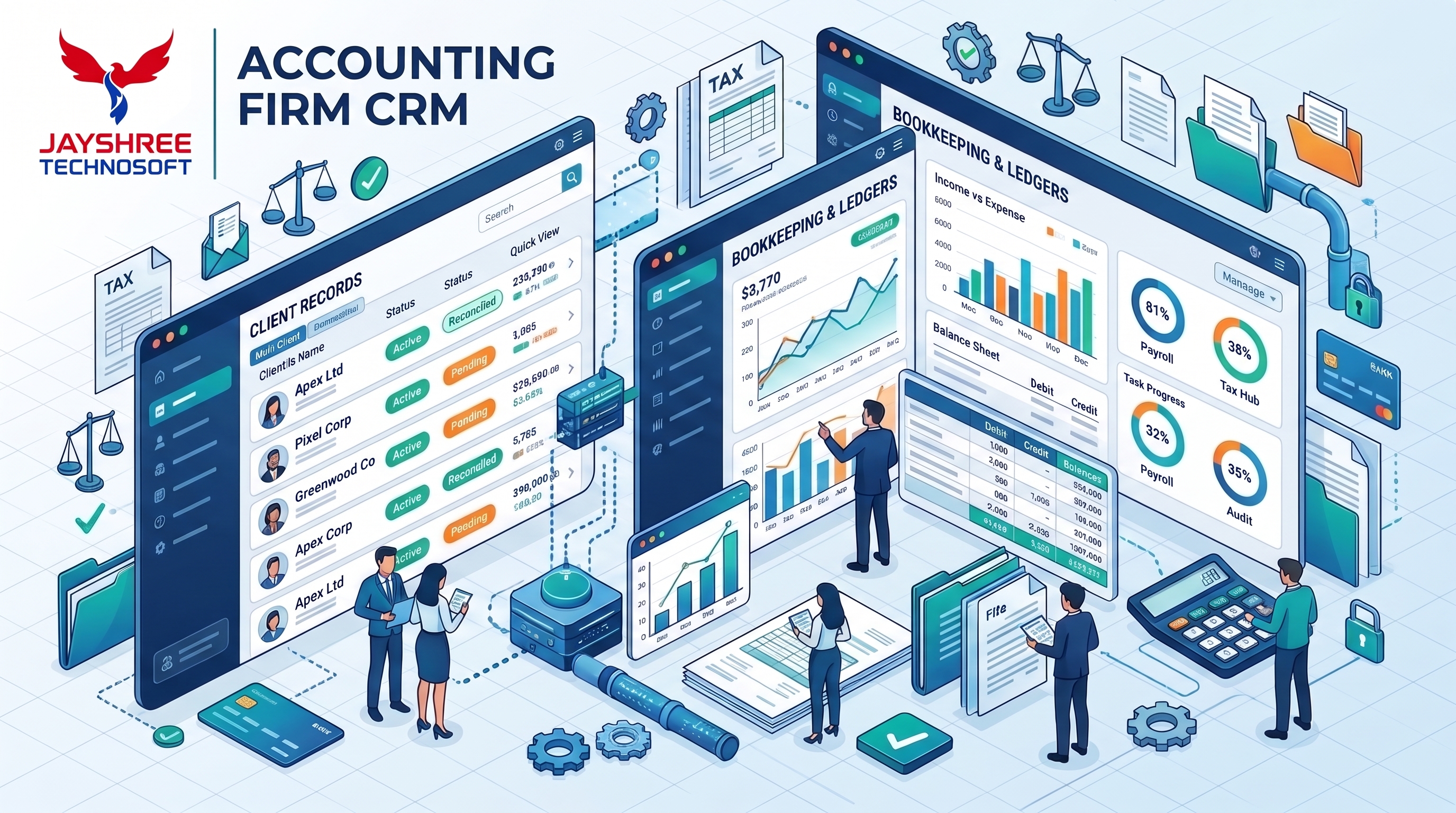
Custom CRM & Software Solutions for Accounting Firms: How Jayshree Technosoft Can Help