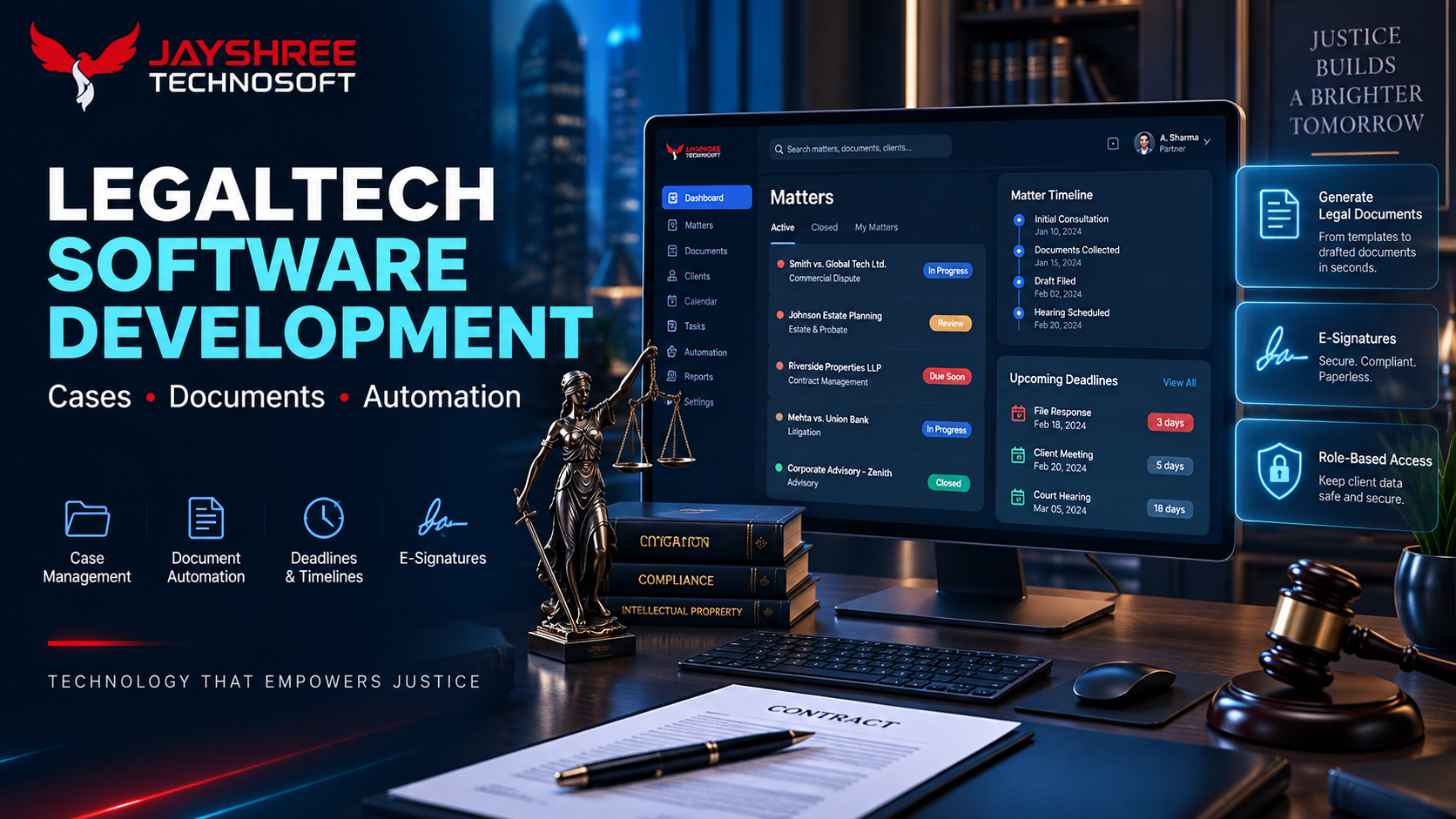
Law firms handle an unusually document-heavy, deadline-sensitive workload — case files, contracts, filings, client communication — much of which is still managed through a mix of physical files, email threads, and generic office software not built for legal workflows. LegalTech software development exists to bring structure to this without forcing lawyers to change how they fundamentally practice.
Why Generic Office Tools Fall Short for Legal Work
A law firm relying on shared drives and email for case management typically struggles with tracking which documents belong to which matter, missing critical filing deadlines buried in someone's personal calendar, and no clear audit trail of who accessed or modified a sensitive document and when — a real concern given the confidentiality obligations law firms carry.
Core Capabilities LegalTech Software Should Cover
Case & Matter Management
A centralized record for every case — documents, correspondence, deadlines, and billing — accessible to the right team members without digging through scattered folders or email chains.
Document Automation
Generating standard legal documents (contracts, agreements, filings) from templates with client-specific details auto-populated, reducing both drafting time and the risk of manual copy-paste errors in repetitive document types.
Deadline & Court Date Tracking
Critical filing and court deadlines tracked centrally with automated reminders — since a missed deadline in legal work carries consequences far more serious than a missed reminder in most other industries.
Client Communication Portal
A secure channel for clients to view case status, upload documents, and communicate with their legal team, reducing the back-and-forth of email threads and giving clients visibility without constant phone calls to the office.
Billing & Time Tracking
Accurate tracking of billable hours against specific matters, directly tied to invoicing, rather than reconstructed from memory or scattered notes at month-end.
Security and Confidentiality Are Non-Negotiable
Legal work involves highly sensitive client information, often with strict confidentiality obligations. LegalTech software needs role-based access control, encrypted document storage, and detailed audit logs built in from the architecture stage — not added as an afterthought once the system is already in use.
Why Off-the-Shelf Legal Software Often Requires Compromise
Generic practice management tools cover common workflows reasonably well, but firms with specific practice areas, jurisdictional requirements, or internal processes often find themselves working around the software's limitations rather than the software supporting how they actually work. Custom development closes this gap where it genuinely matters.
How Jayshree Technosoft Approaches LegalTech Projects
Jayshree Technosoft LLP builds case management and document automation systems designed around a firm's actual practice workflow, with security and audit-trail requirements built into the architecture from day one — rather than adapting a generic template after the fact.
Looking to modernize your firm's case management? Start a conversation about your requirements.
Recent Articles

Custom CRM & Software Solutions for Mobile & Accessories Stores: How Jayshree Technosoft Can Help
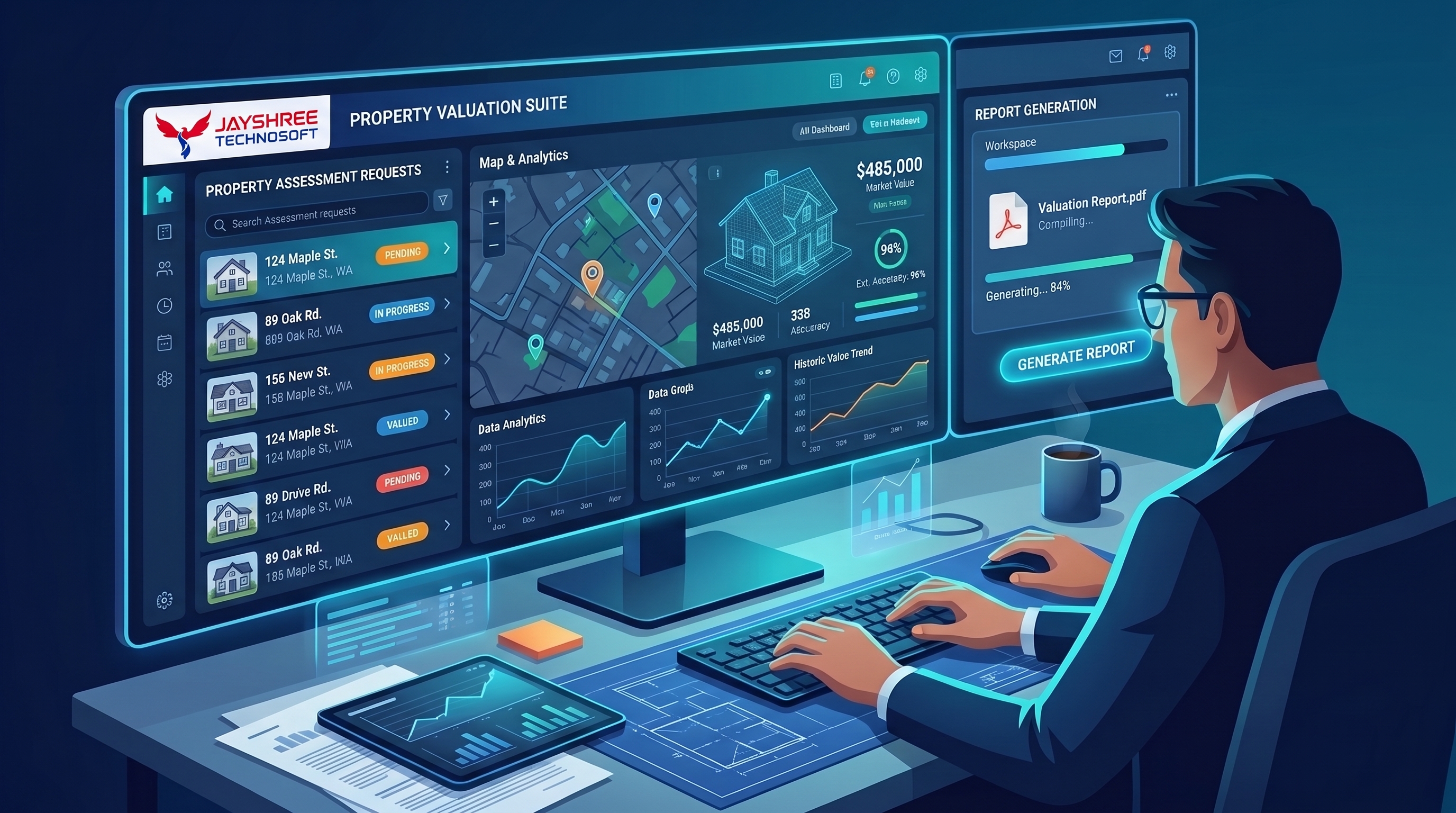
Custom CRM & Software Solutions for Property Valuation & Survey Companies: How Jayshree Technosoft Can Help
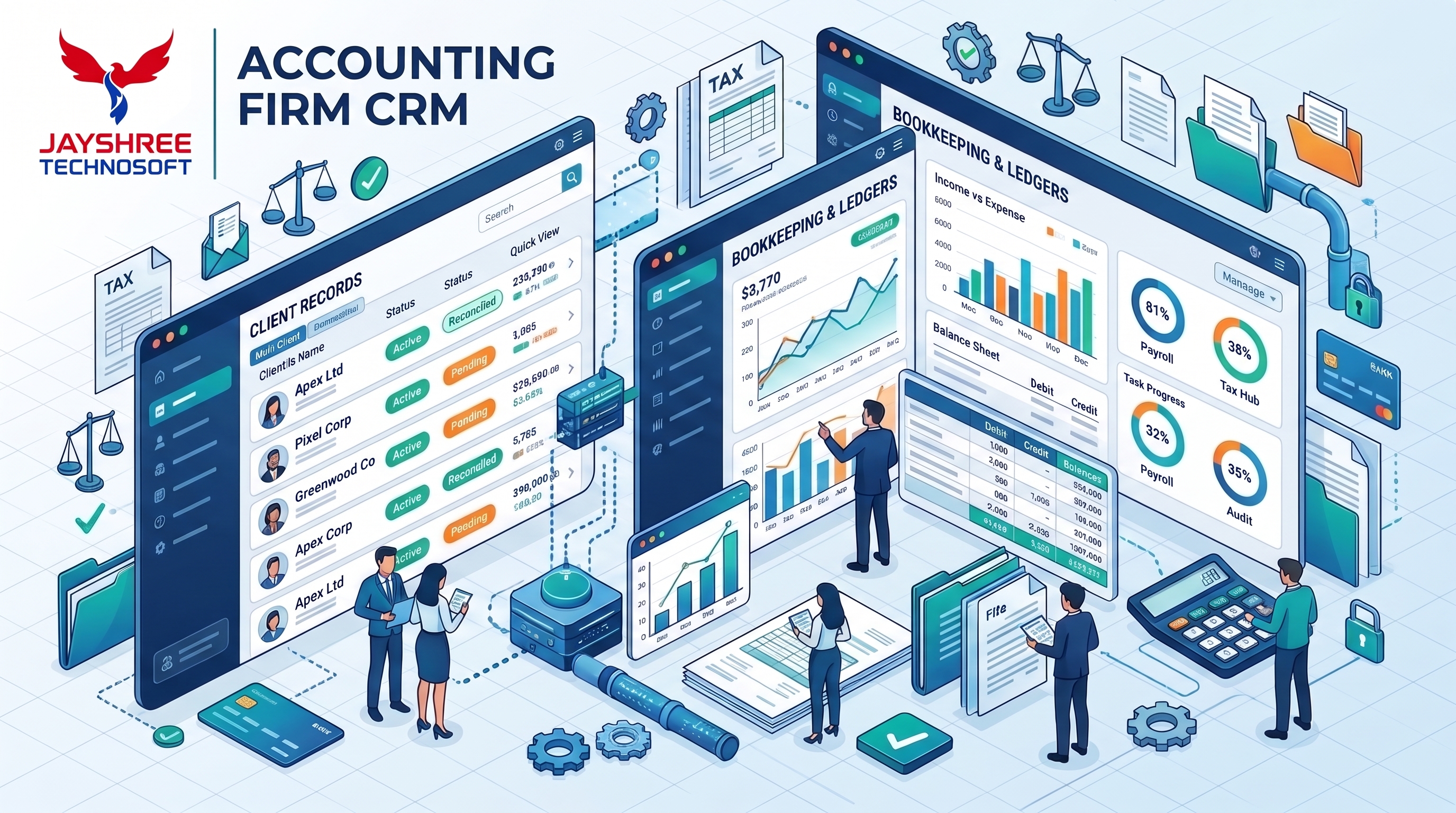
Custom CRM & Software Solutions for Accounting Firms: How Jayshree Technosoft Can Help