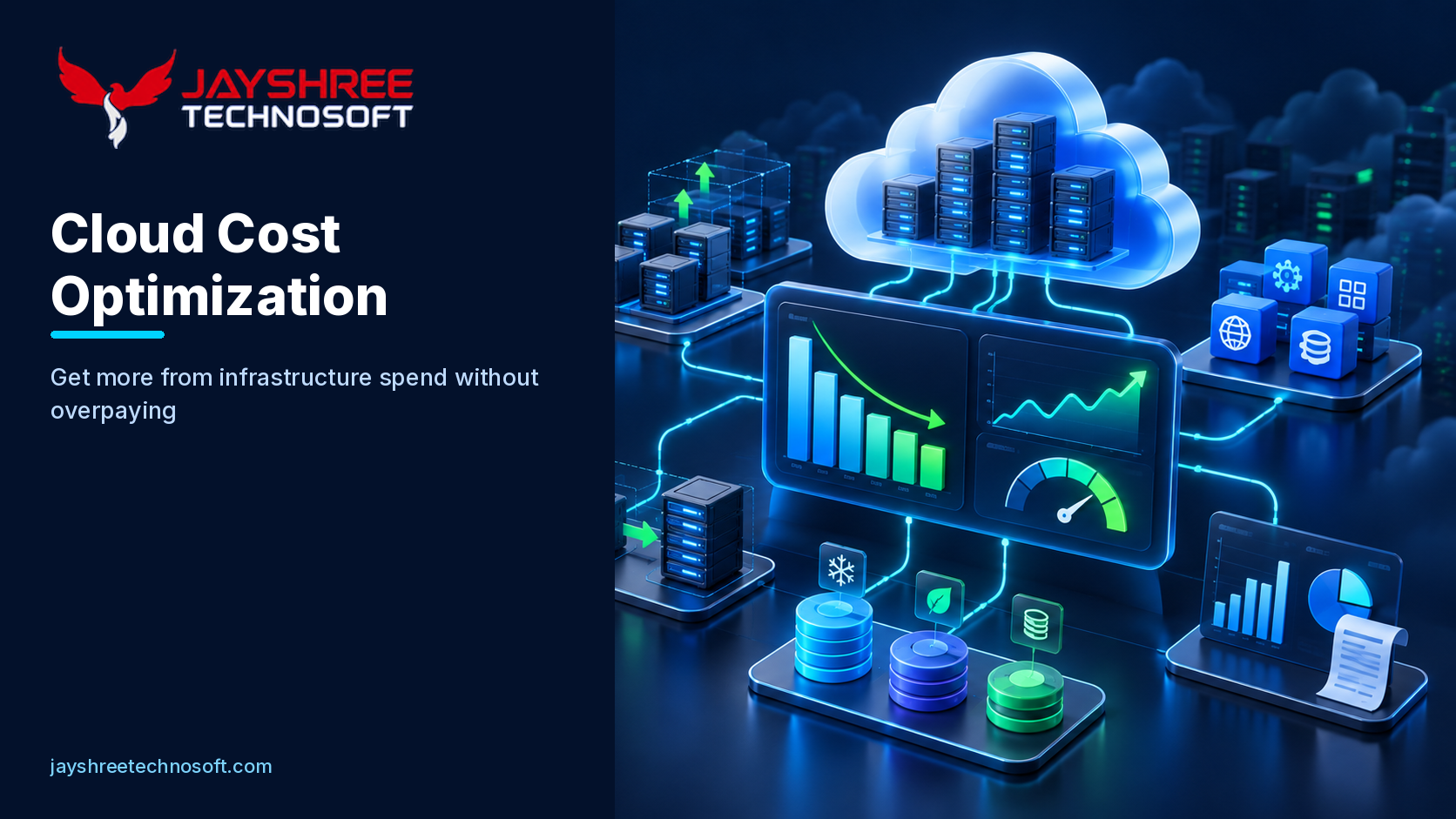
Moving to the cloud is often sold as a cost-saving move, but many businesses find their cloud bill quietly climbing month over month, with no one quite sure why. Cloud cost optimization exists to bring this spend back under control — not by cutting capacity recklessly, but by identifying and eliminating the waste that accumulates naturally as cloud infrastructure grows.
Why Cloud Costs Tend to Spiral Without Active Management
Cloud platforms make it easy to spin up resources on demand, which is exactly what makes cost control difficult — servers get provisioned for a project and never decommissioned, storage accumulates without regular review, and resources are often sized for peak demand and left running at that size permanently, even during periods of much lower actual usage.
Common Sources of Cloud Waste
Idle or Underutilized Resources
Servers, databases, or storage volumes provisioned for a specific need that's since ended, but never properly decommissioned, continuing to generate charges for capacity nobody is using.
Oversized Instances
Resources provisioned generously "to be safe" during initial setup, then never right-sized based on actual observed usage patterns once the system is live.
Inefficient Storage Management
Data retained in expensive, high-performance storage tiers long after it's actively needed, when cheaper archival storage would serve the same purpose for infrequently accessed data.
Lack of Auto-Scaling
Infrastructure sized for peak load and left running at that capacity around the clock, rather than automatically scaling down during predictable low-demand periods.
A Practical Approach to Cost Optimization
Effective cloud cost management starts with visibility — most businesses can't optimize spend they haven't actually broken down and understood. From there, the highest-impact steps are typically: identifying and eliminating genuinely idle resources first (the easiest wins), right-sizing instances based on actual usage data rather than initial assumptions, implementing auto-scaling where workloads are variable, and reviewing storage tiers to match cost to actual access patterns.
Balancing Cost Against Reliability
Cost optimization done carelessly can introduce real risk — cutting capacity too aggressively can hurt application performance or reliability during genuine demand spikes. The goal isn't the lowest possible cloud bill at any cost; it's eliminating genuine waste while maintaining the performance and reliability the business actually needs.
Why This Requires Ongoing Attention, Not a One-Time Fix
Cloud usage patterns change as a business grows and its applications evolve, which means cost optimization isn't a single project with a defined end point — it needs periodic review to catch new inefficiencies as they emerge, rather than assuming an optimization done a year ago is still fully relevant today.
How Jayshree Technosoft Helps With Cloud Efficiency
As part of its cloud and DevOps practice, Jayshree Technosoft LLP reviews client cloud infrastructure for cost efficiency alongside performance and reliability — helping businesses right-size their spend without compromising the systems that spend supports.
Wondering if your cloud spend has room to improve? Talk to the team about a cloud cost review.
Recent Articles

Custom CRM & Software Solutions for Mobile & Accessories Stores: How Jayshree Technosoft Can Help
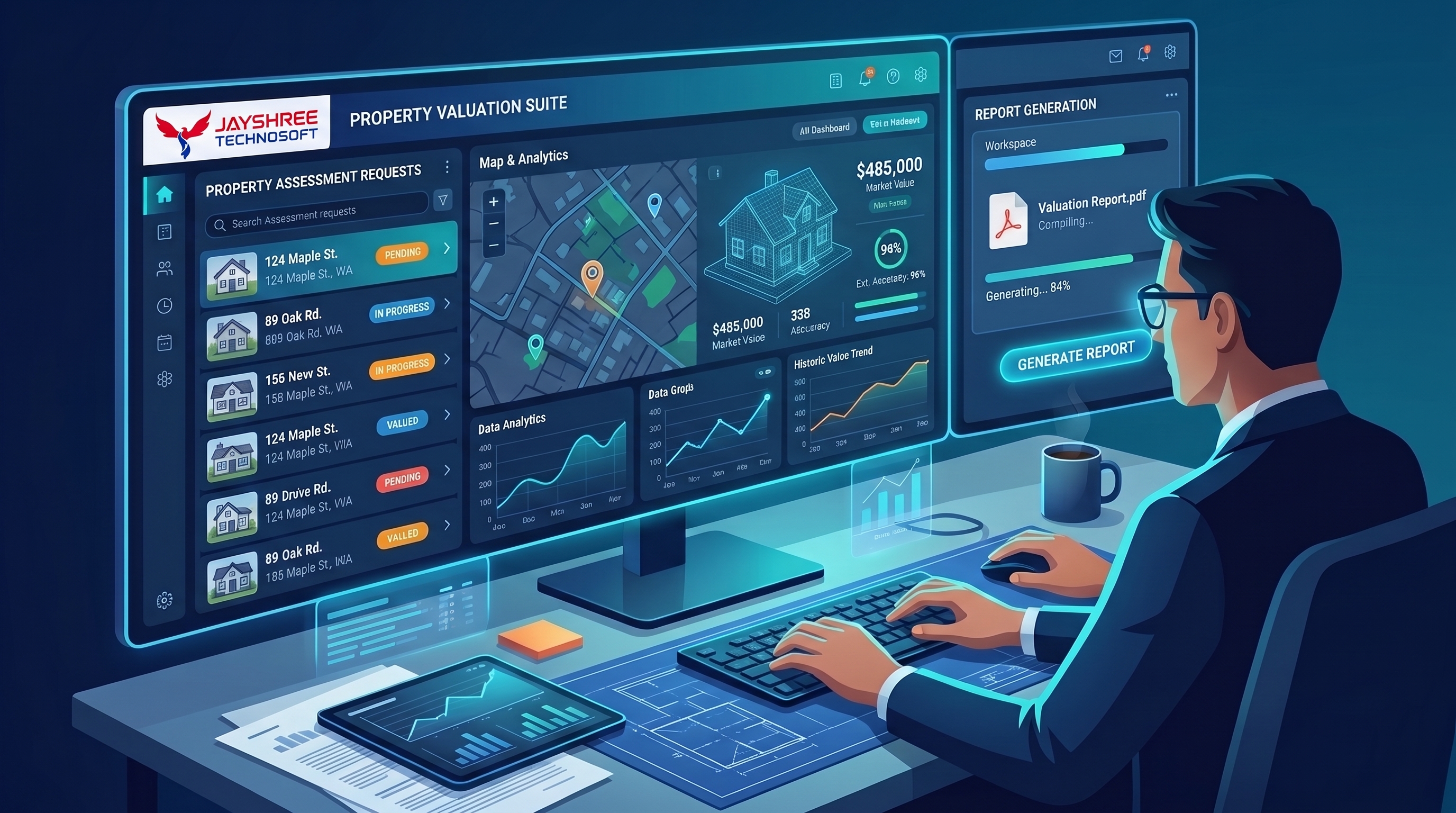
Custom CRM & Software Solutions for Property Valuation & Survey Companies: How Jayshree Technosoft Can Help
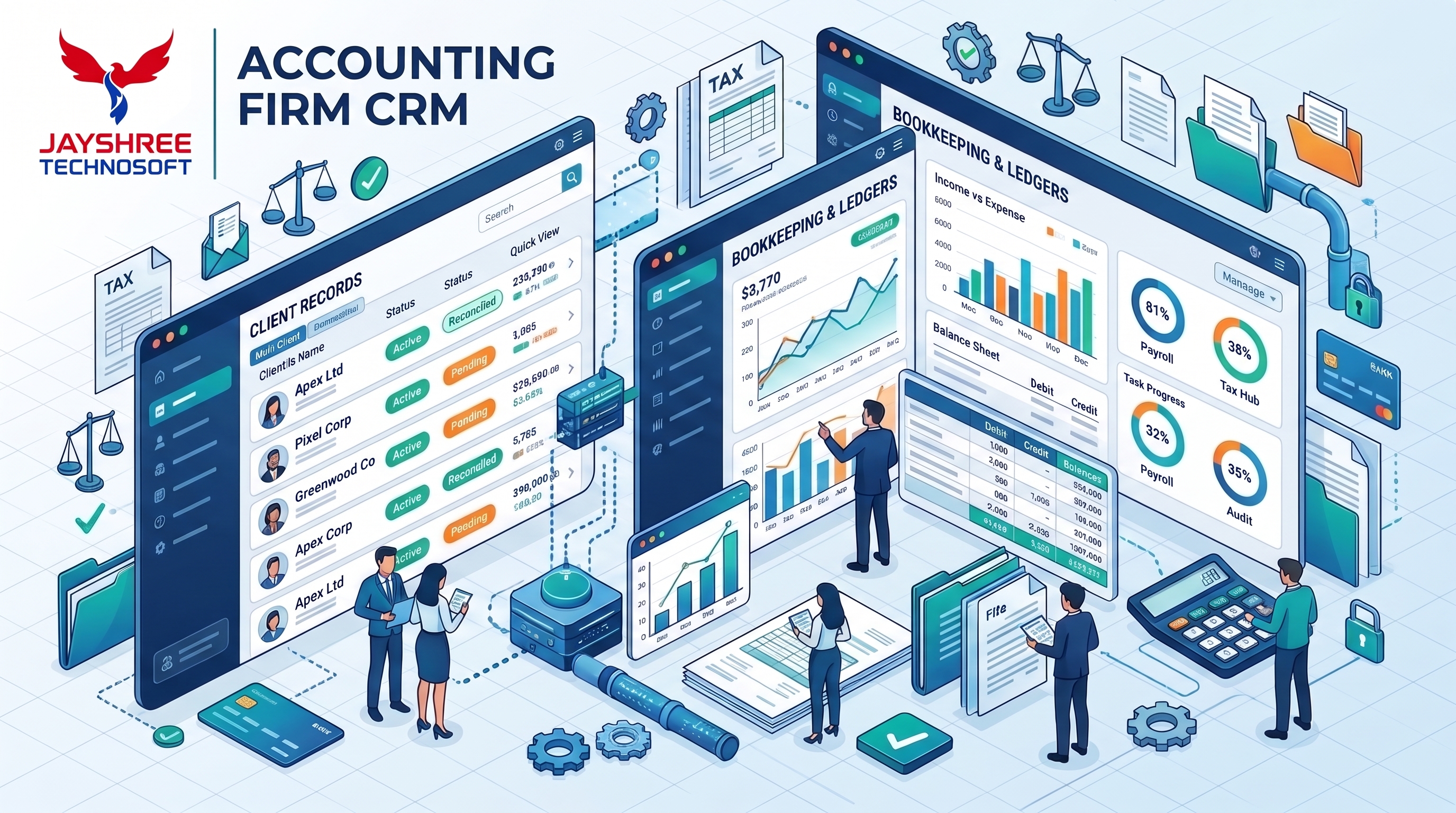
Custom CRM & Software Solutions for Accounting Firms: How Jayshree Technosoft Can Help