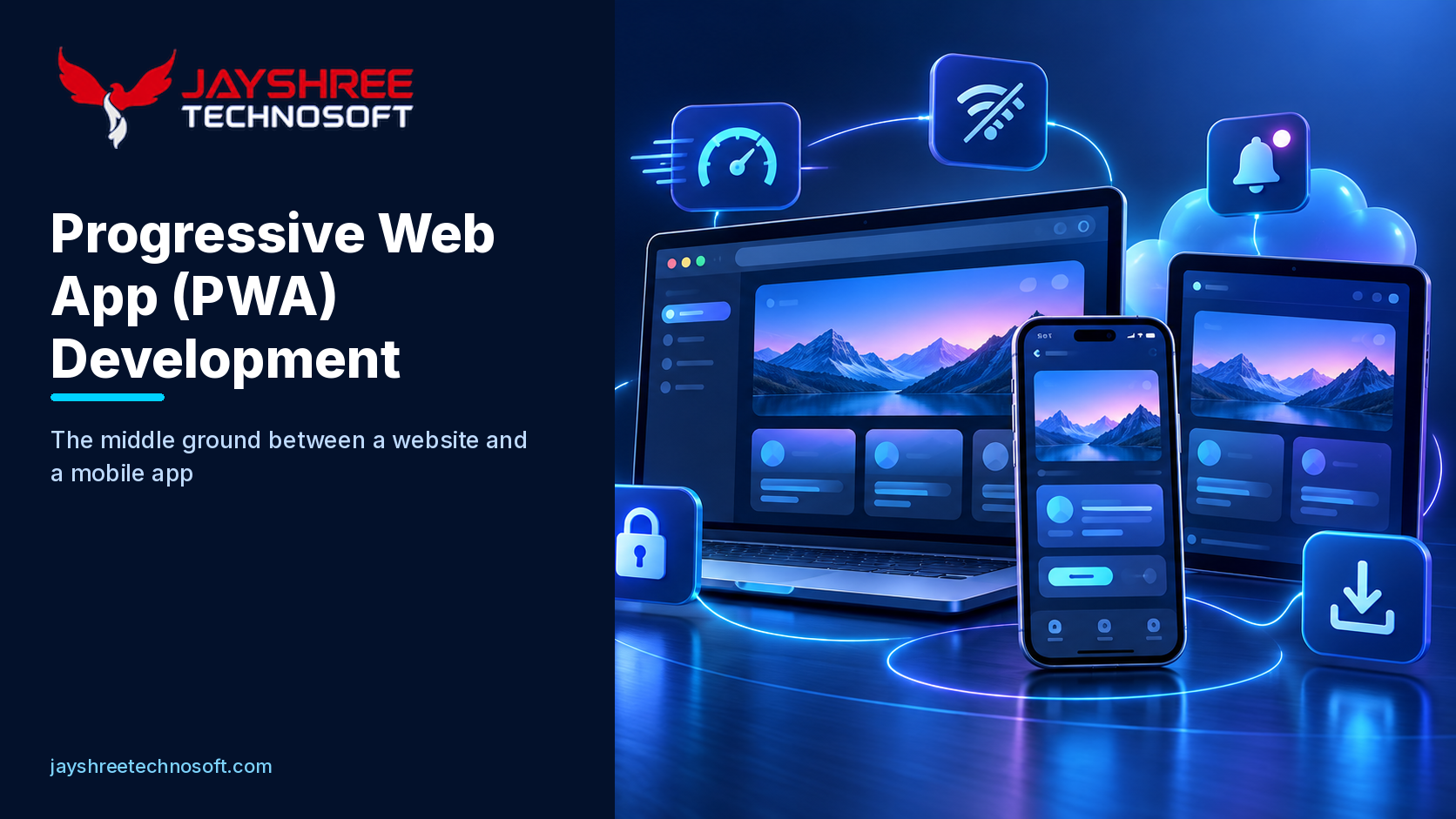
Businesses deciding between a website and a native mobile app often assume it has to be one or the other — but there's a middle path that's frequently overlooked. Progressive Web Apps (PWAs) combine much of what makes native apps appealing (offline access, an installable icon, push notifications) with the simpler development and maintenance of a website.
What Makes a PWA Different From a Regular Website
A standard website requires an active internet connection and lives entirely in a browser tab. A Progressive Web App, by contrast, can be installed on a user's home screen like a native app, continues to work offline or on poor connections through smart caching, and can send push notifications — all while being built and maintained using web technology rather than separate native codebases for iOS and Android.
Why Businesses Consider PWAs Over Native Apps
Lower Development and Maintenance Cost
A single PWA codebase serves both mobile and desktop, rather than maintaining separate native iOS and Android apps (and often a website on top of that) — a meaningful cost and time saving, especially for businesses without a large dedicated mobile team.
No App Store Approval Process
PWAs can be updated instantly without waiting for app store review, and users can start using them immediately via a link — without needing to find and install anything from an app store first, which removes a real friction point in user acquisition.
Broader Reach
Since a PWA works through any modern browser, it reaches users on both platforms and devices, including those who might be hesitant to download a dedicated native app for a business they haven't used before.
When a Native App Still Makes More Sense
PWAs aren't the right fit for every use case. Applications that need deep integration with device-specific hardware features, extremely demanding performance requirements (such as high-end gaming), or heavy reliance on app store discovery for user acquisition are often still better served by native development, despite the additional cost and complexity.
Where PWAs Deliver the Most Value
E-commerce businesses wanting an app-like shopping experience without the cost of two native apps, service businesses offering booking or account management where offline access to key information matters, and content or media platforms where fast loading and installability improve engagement, without requiring the investment of full native development.
The Practical Trade-Off to Understand
Choosing a PWA over native development is fundamentally a trade-off between reach and cost efficiency on one side, and deep platform-specific capability on the other. For many small and mid-size businesses, the capabilities they actually need fall well within what a PWA can deliver, making the additional cost of native development difficult to justify.
How Jayshree Technosoft Approaches This Decision
Rather than defaulting to native development for every mobile project, Jayshree Technosoft LLP evaluates whether a PWA can meet a client's actual requirements first — recommending native development only when a project's specific needs genuinely require it, to avoid unnecessary cost and complexity.
Not sure if you need a native app or a PWA would do? Discuss your project with the team.
Recent Articles
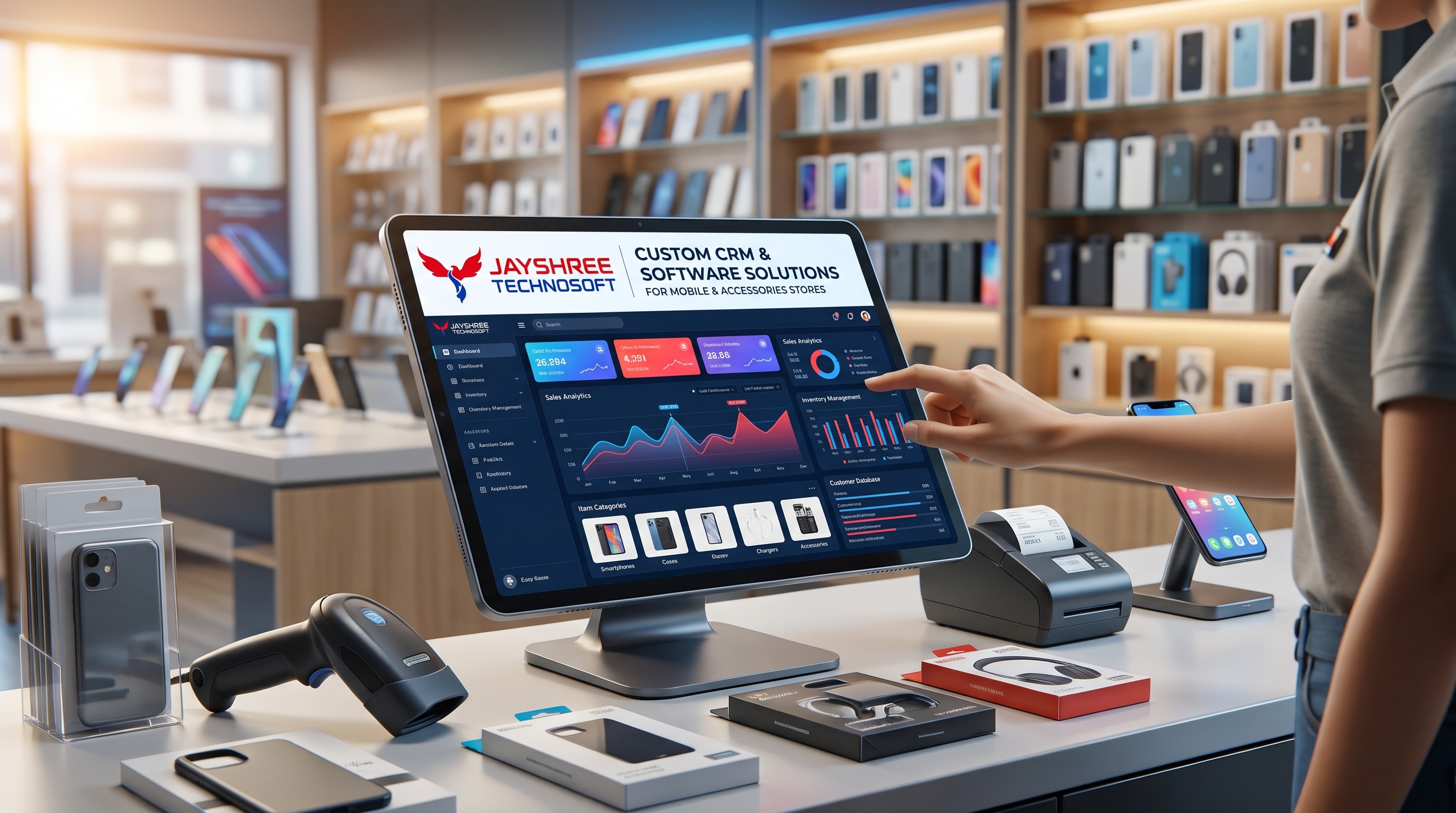
Custom CRM & Software Solutions for Mobile & Accessories Stores: How Jayshree Technosoft Can Help
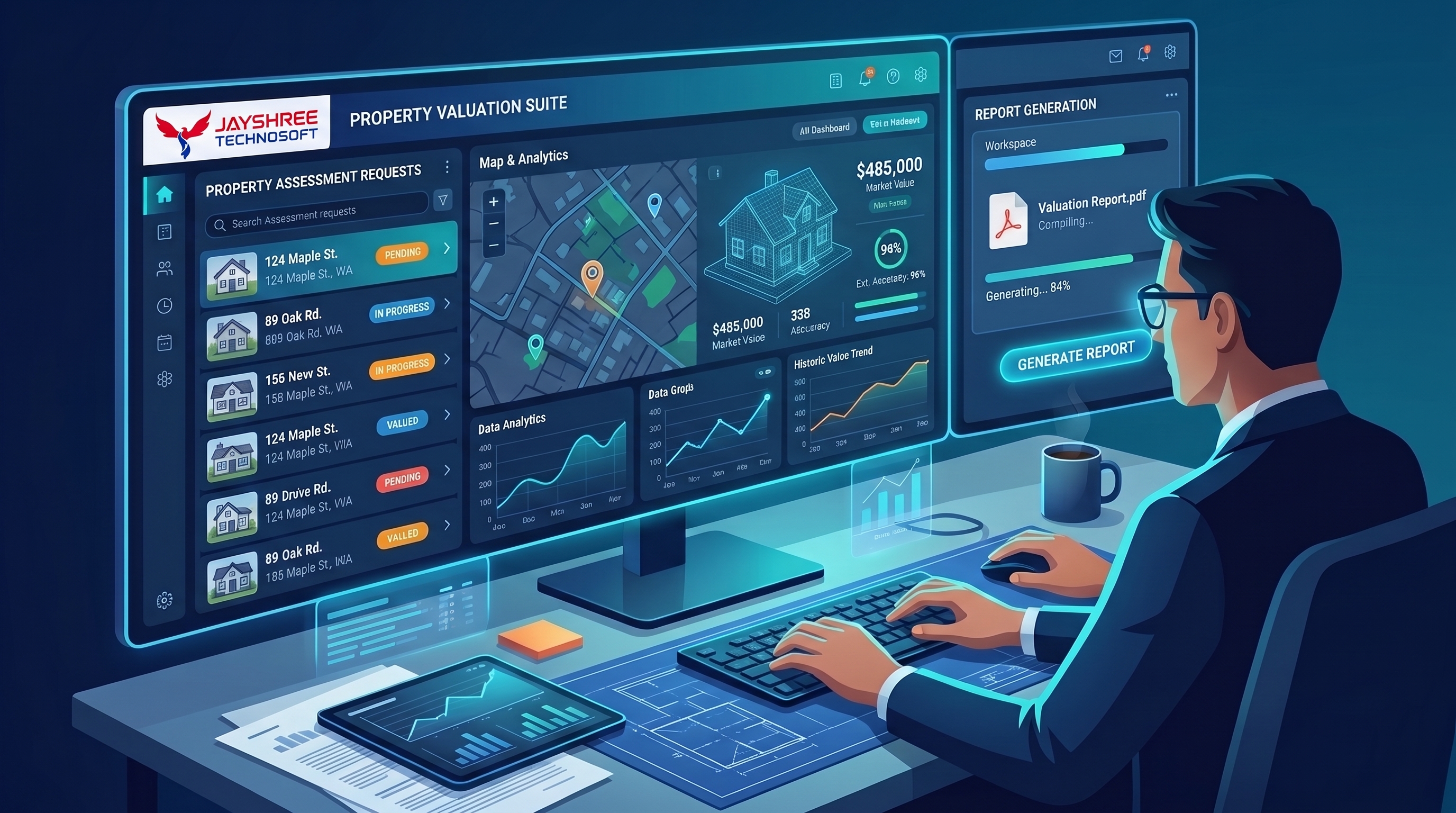
Custom CRM & Software Solutions for Property Valuation & Survey Companies: How Jayshree Technosoft Can Help
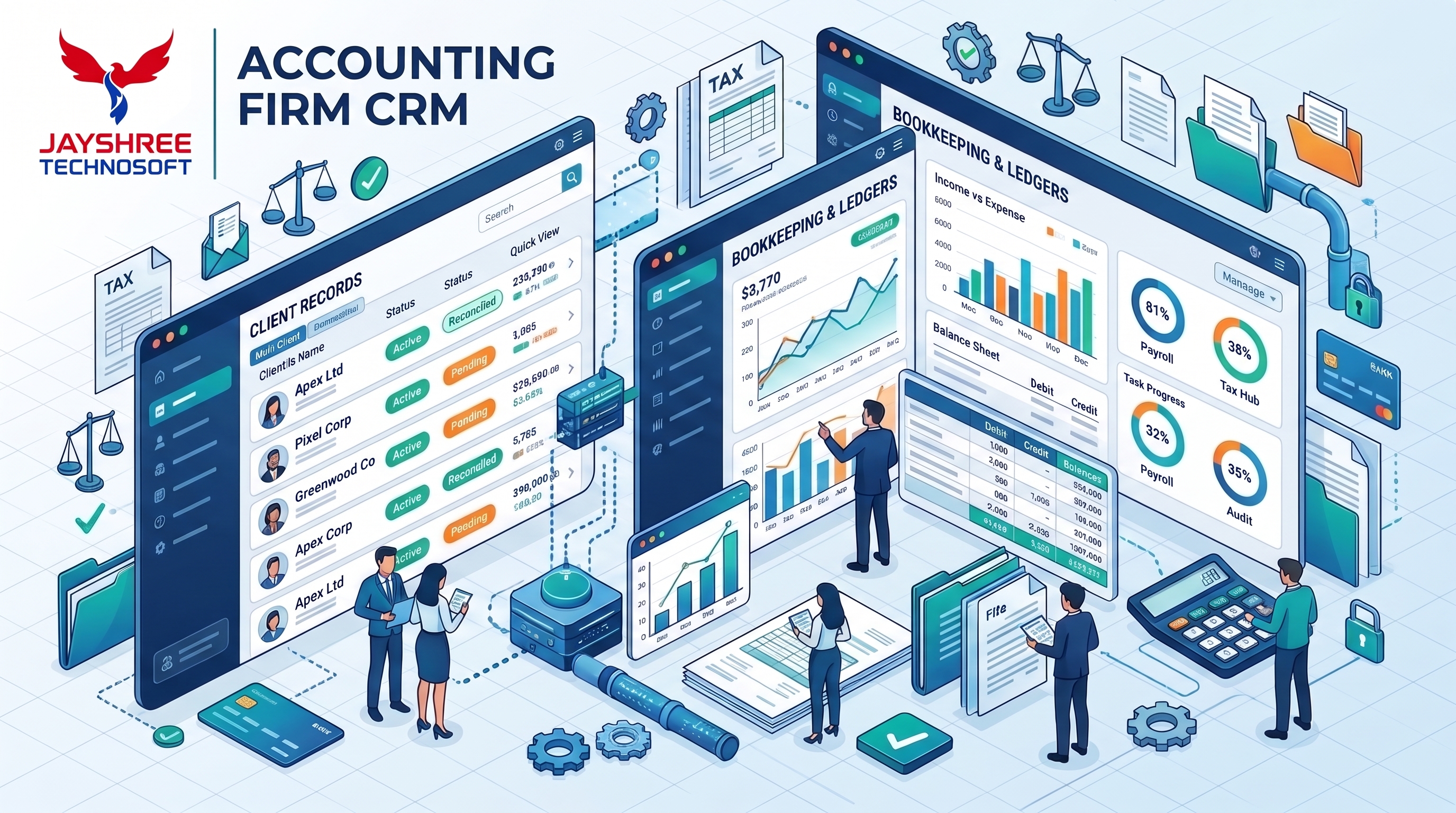
Custom CRM & Software Solutions for Accounting Firms: How Jayshree Technosoft Can Help