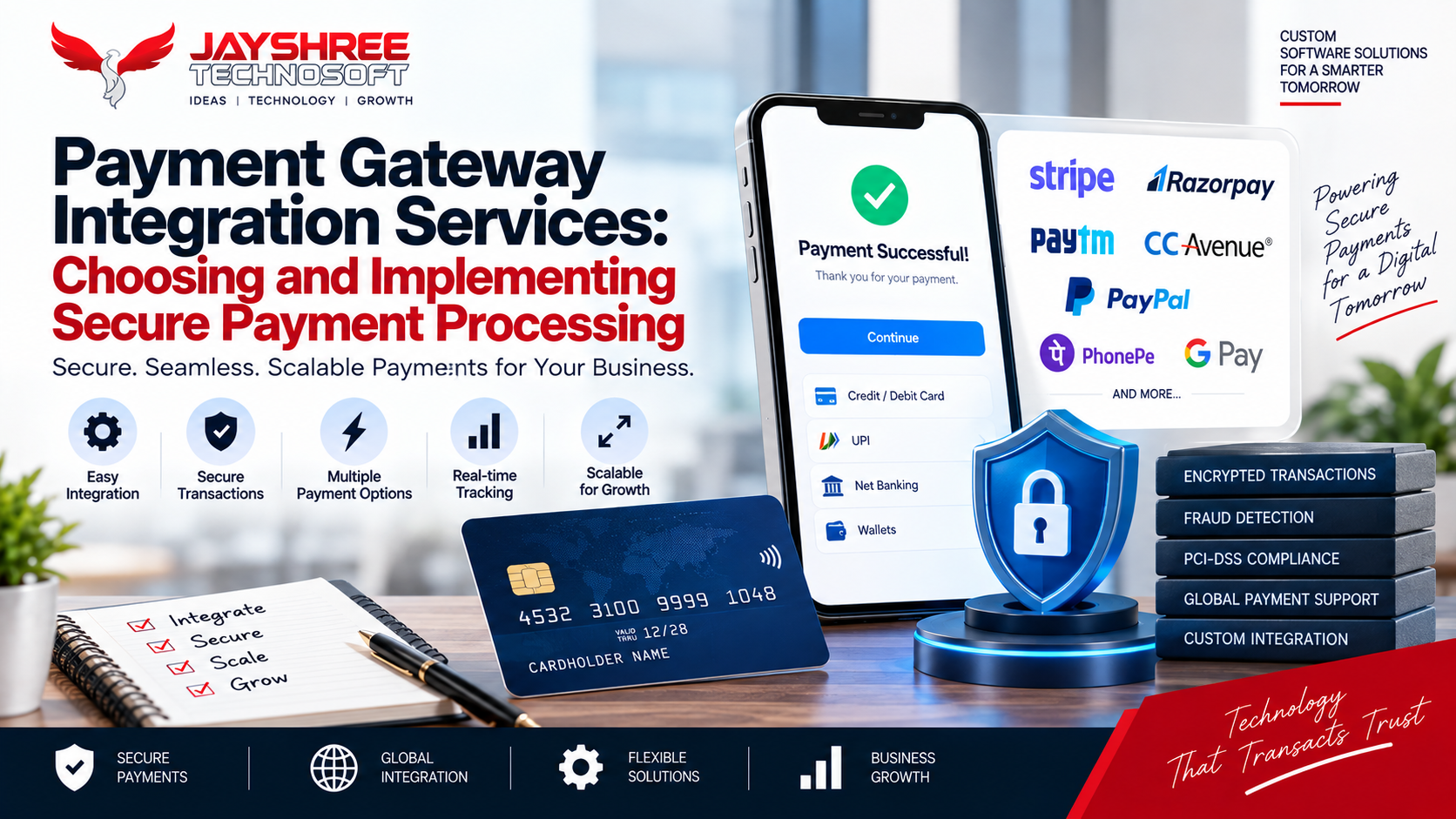
Adding payment processing to a website or app seems, on the surface, like a straightforward integration — connect a payment gateway, and transactions start flowing. In practice, getting this right involves real decisions around security, reliability, and user experience that have a direct impact on conversion rates and, just as importantly, on how safely customer payment data is handled.
Why Payment Integration Deserves Careful Attention
A poorly implemented payment flow doesn't just create a technical risk — it directly affects revenue, since checkout friction is one of the most common reasons customers abandon a purchase, and any security gap in payment handling creates real legal and reputational exposure for the business.
Choosing the Right Payment Gateway
Coverage of Relevant Payment Methods
Different gateways support different combinations of payment methods — UPI, cards, net banking, wallets — and the right choice depends heavily on what payment methods a business's actual customer base prefers to use.
Transaction Fees and Settlement Timelines
Payment gateways vary meaningfully in transaction fees and how quickly funds are settled into a business's account, both of which have a direct impact on cash flow, particularly for high-volume or thin-margin businesses.
Reliability and Uptime
A payment gateway with frequent downtime or slow processing directly costs a business sales at the exact moment a customer is ready to pay — reliability is a factor worth weighing as heavily as pricing.
Developer Experience and Documentation
A gateway with clear documentation and a well-designed API significantly reduces integration time and the risk of implementation errors, compared to one with poor or outdated technical documentation.
What Secure Implementation Actually Requires
PCI-DSS Compliance
Handling card payment data comes with compliance obligations around how that data is transmitted and stored — properly implemented integrations avoid directly handling raw card data wherever possible, relying on the gateway's own secure tokenization instead.
Proper Error and Failure Handling
Payment failures — a declined card, a timeout, a network issue — need to be handled gracefully, both to avoid double-charging a customer and to give them a clear, actionable message rather than leaving them uncertain whether a payment actually went through.
Webhook and Reconciliation Handling
Reliable payment systems need proper handling of asynchronous payment confirmations (webhooks) and a reconciliation process to catch any mismatch between what the application recorded and what the payment gateway actually processed.
Why Checkout Experience Directly Affects Revenue
Every additional step, delay, or point of confusion in a checkout flow measurably increases the chance a customer abandons the purchase. A well-implemented payment integration isn't just a technical requirement — it's a direct lever on conversion rate, making the quality of this specific piece of an application disproportionately important relative to its apparent simplicity.
How Jayshree Technosoft Approaches Payment Integration
Jayshree Technosoft LLP implements payment gateway integrations with security, reliability, and checkout experience treated as equally important priorities — following proper tokenization and compliance practices while also optimizing the actual payment flow to minimize friction and abandonment.
Building or upgrading a payment flow for your application? Talk to the team about the right approach.
Recent Articles
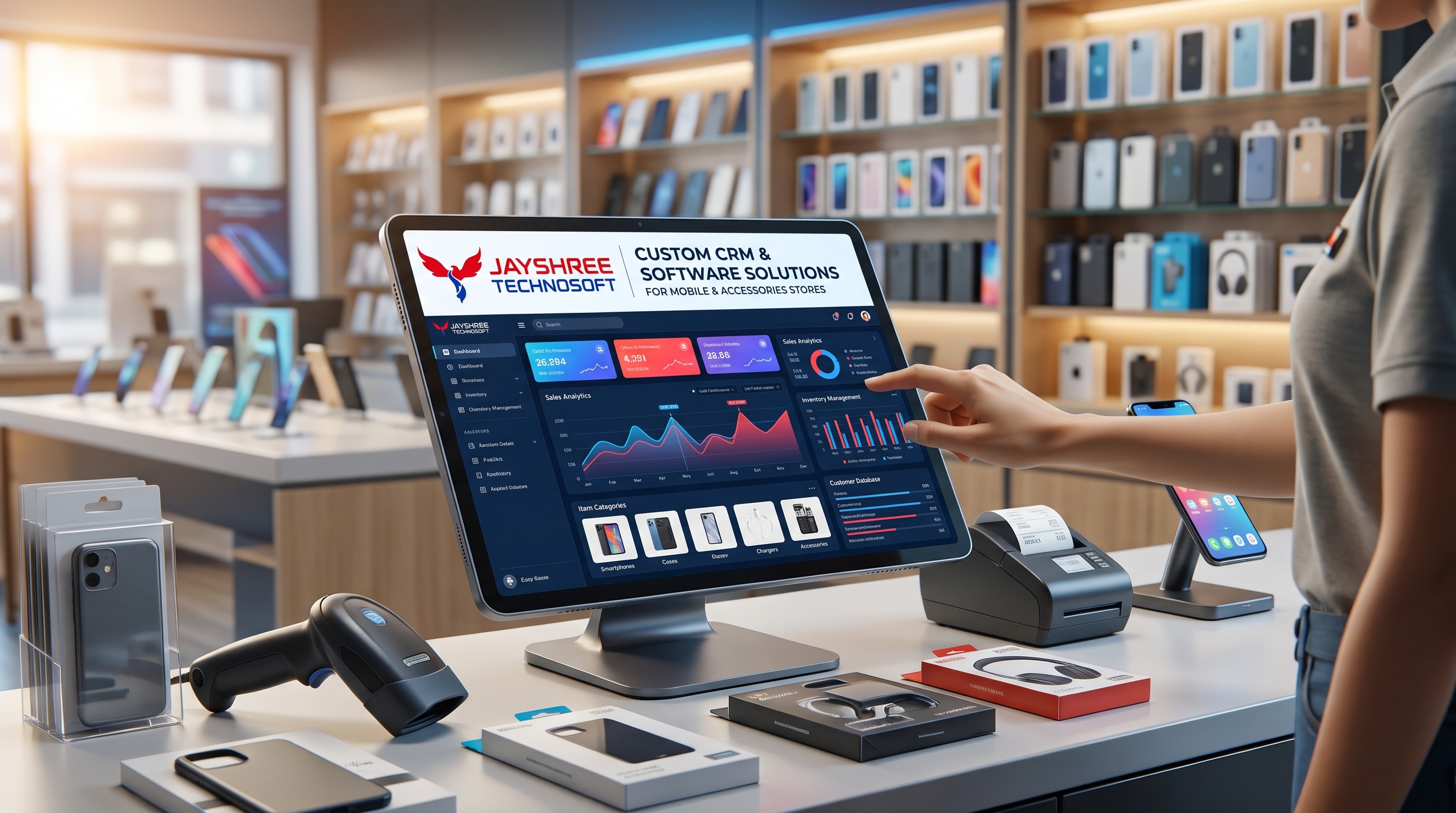
Custom CRM & Software Solutions for Mobile & Accessories Stores: How Jayshree Technosoft Can Help
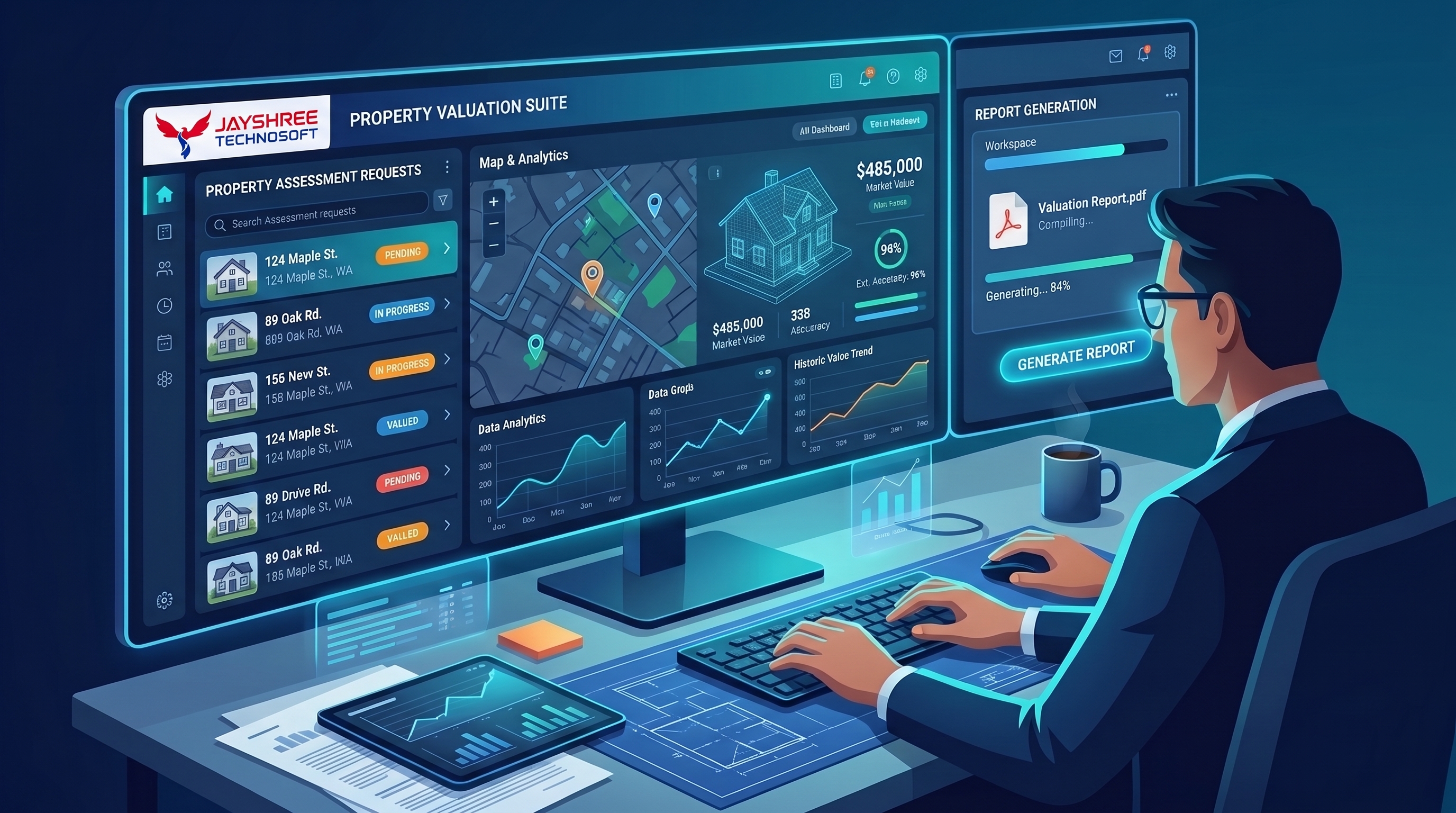
Custom CRM & Software Solutions for Property Valuation & Survey Companies: How Jayshree Technosoft Can Help
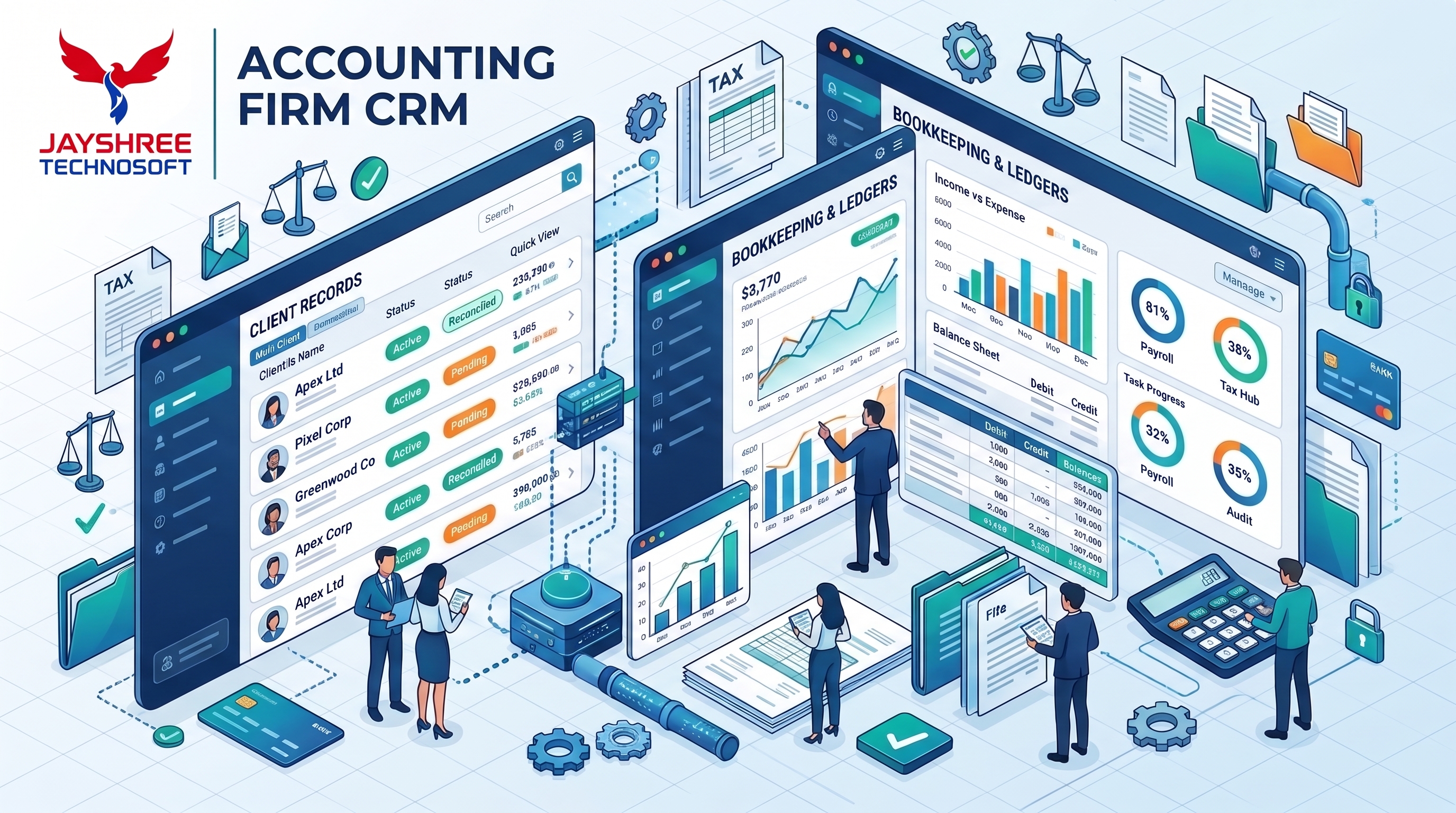
Custom CRM & Software Solutions for Accounting Firms: How Jayshree Technosoft Can Help