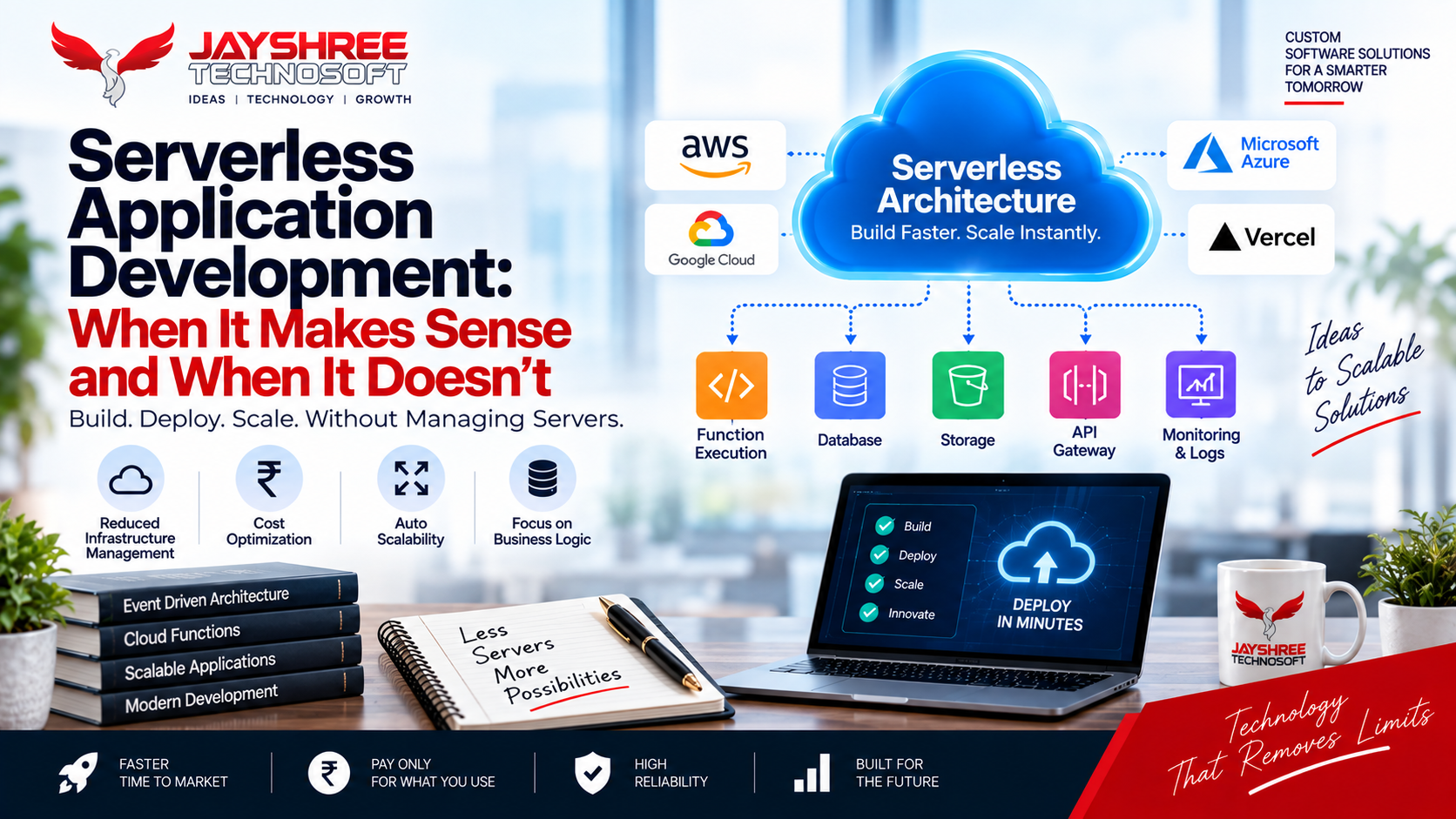
Serverless computing is often pitched as a way to build applications without managing infrastructure at all — and while that's technically true, the reality is more nuanced. Serverless architecture offers genuine advantages for specific use cases, alongside real trade-offs that make it the wrong choice for others.
What "Serverless" Actually Means
Despite the name, serverless applications still run on servers — the difference is that a cloud provider manages that infrastructure entirely, automatically scaling resources up or down based on actual demand, and charging based on actual usage rather than a fixed server capacity that runs whether it's being used or not.
Genuine Advantages of Serverless Architecture
Pay-for-Actual-Usage Pricing
Rather than paying for server capacity that sits idle during low-traffic periods, serverless applications are typically billed based on actual execution — a meaningful cost advantage for applications with unpredictable or spiky traffic patterns.
Automatic Scaling Without Manual Configuration
Serverless functions scale automatically to handle demand spikes without requiring manual infrastructure provisioning — removing a significant operational burden compared to managing traditional server scaling.
Reduced Infrastructure Management Overhead
With the cloud provider managing the underlying infrastructure, development teams can focus more on application logic and less on server maintenance, patching, and capacity planning.
Real Trade-Offs That Are Often Underestimated
Cold Start Latency
Serverless functions that haven't been recently invoked can experience a noticeable delay ("cold start") on their first execution — a real consideration for applications where consistent, low-latency response times matter.
Vendor Lock-In
Serverless implementations are often built around a specific cloud provider's particular services and conventions, making it more difficult and costly to migrate to a different provider later compared to more portable, traditional architectures.
Debugging and Monitoring Complexity
Distributed, event-driven serverless applications can be genuinely harder to debug and monitor than a traditional application with a more straightforward, centralized execution flow.
Cost Unpredictability at Scale
While serverless can be cost-effective for variable or low-to-moderate traffic, very high, consistent traffic volumes can sometimes end up more expensive under a pay-per-execution model than a well-optimized traditional server setup.
When Serverless Is Genuinely the Right Choice
Serverless architecture tends to work best for applications with unpredictable or infrequent usage patterns, event-driven workloads (processing file uploads, handling webhooks, running scheduled tasks), and situations where minimizing infrastructure management overhead is a higher priority than squeezing out the lowest possible cost at very high, consistent scale.
When a Traditional or Hybrid Approach Makes More Sense
Applications with consistently high, predictable traffic, workloads where cold-start latency genuinely matters, or situations where long-term infrastructure portability across cloud providers is a priority are often better served by traditional server architecture, or a hybrid approach that uses serverless selectively for the specific parts of an application that benefit most from it.
How Jayshree Technosoft Evaluates This Decision
Rather than defaulting to serverless because it's a popular current trend, Jayshree Technosoft LLP's cloud engineering team evaluates a client's actual traffic patterns, latency requirements, and long-term infrastructure priorities before recommending serverless, traditional, or hybrid architecture — matching the technical approach to what the specific application genuinely needs.
Not sure if serverless is the right fit for your application? Discuss your requirements with the team.
Recent Articles
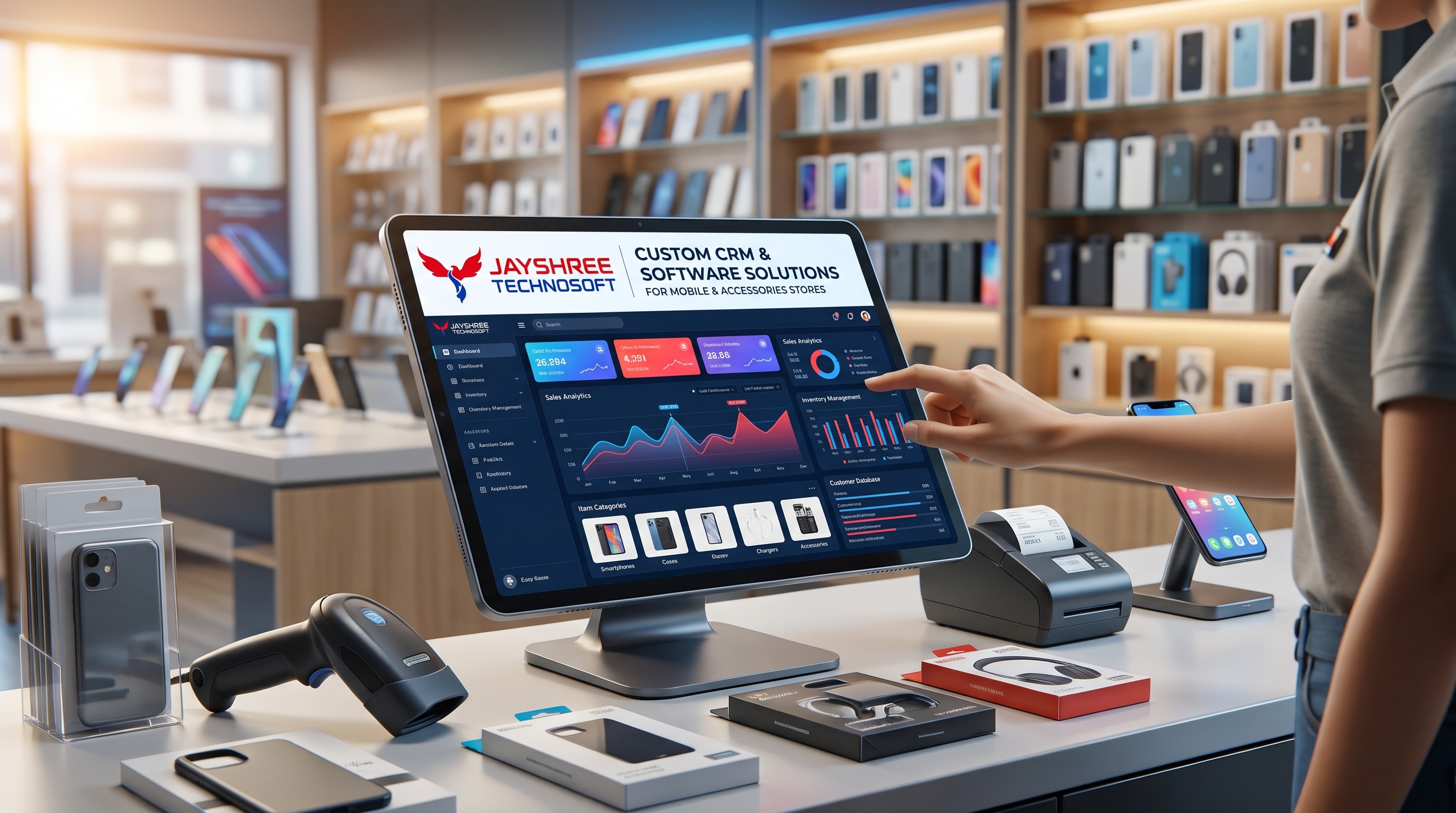
Custom CRM & Software Solutions for Mobile & Accessories Stores: How Jayshree Technosoft Can Help
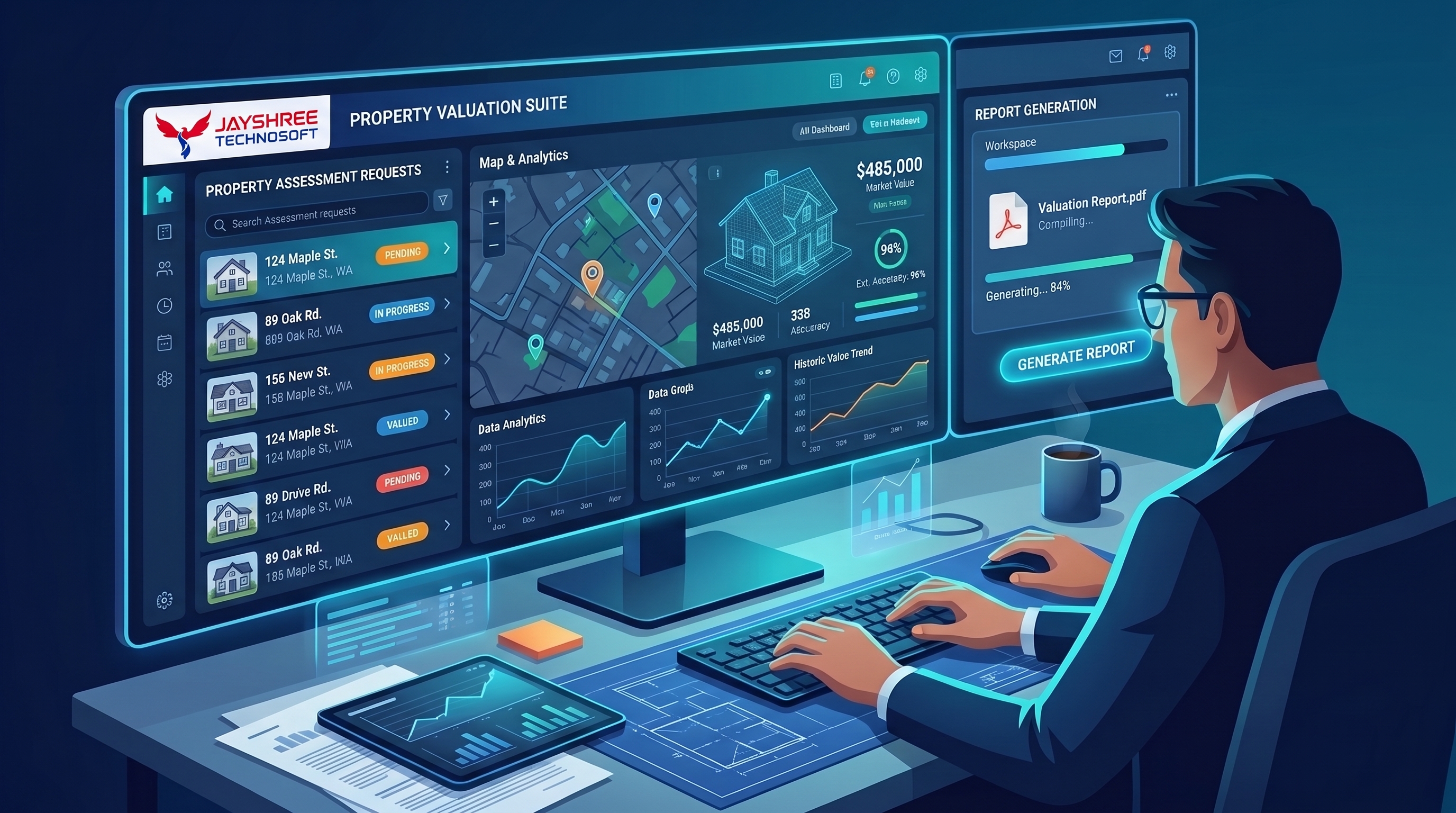
Custom CRM & Software Solutions for Property Valuation & Survey Companies: How Jayshree Technosoft Can Help
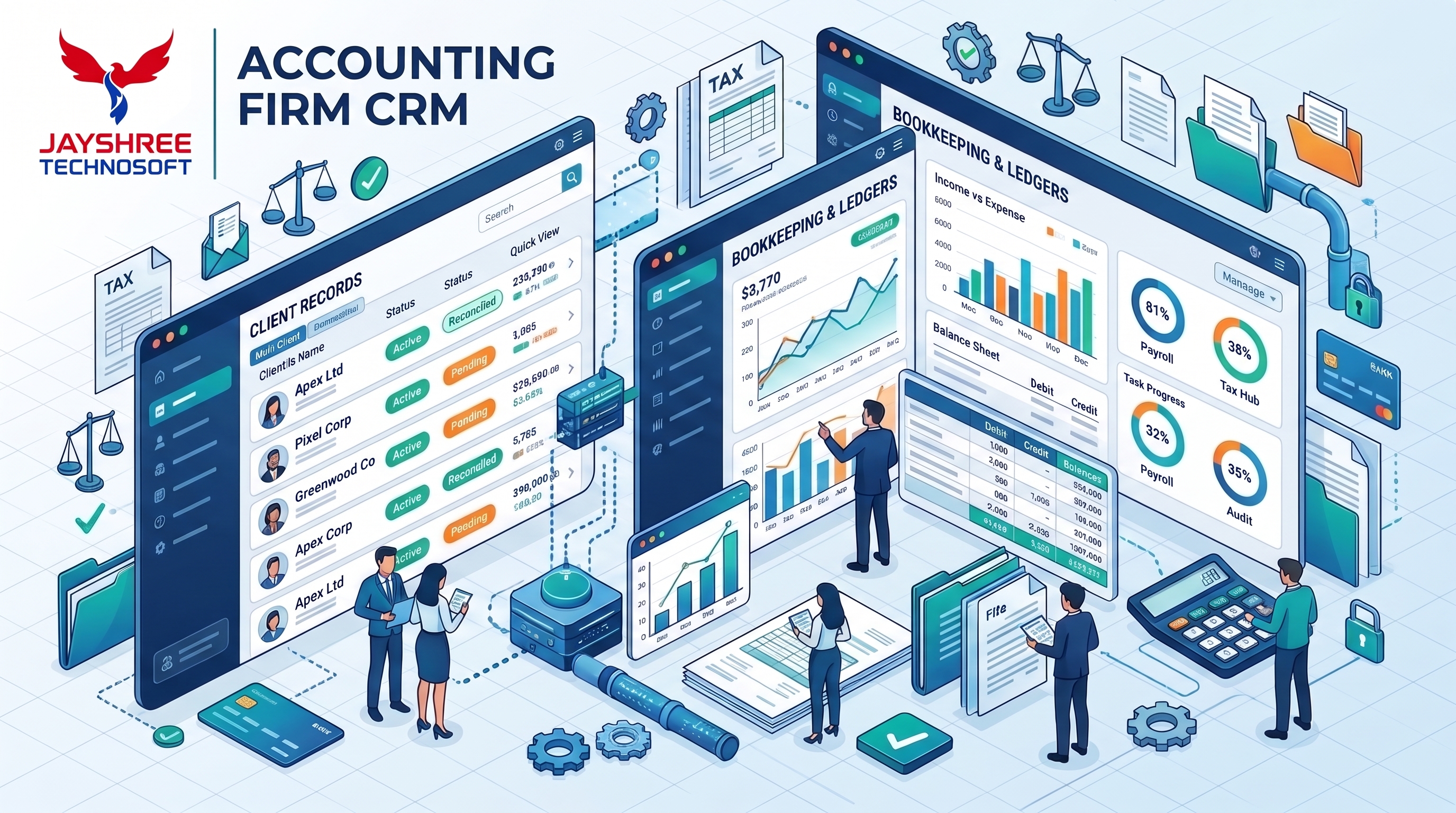
Custom CRM & Software Solutions for Accounting Firms: How Jayshree Technosoft Can Help