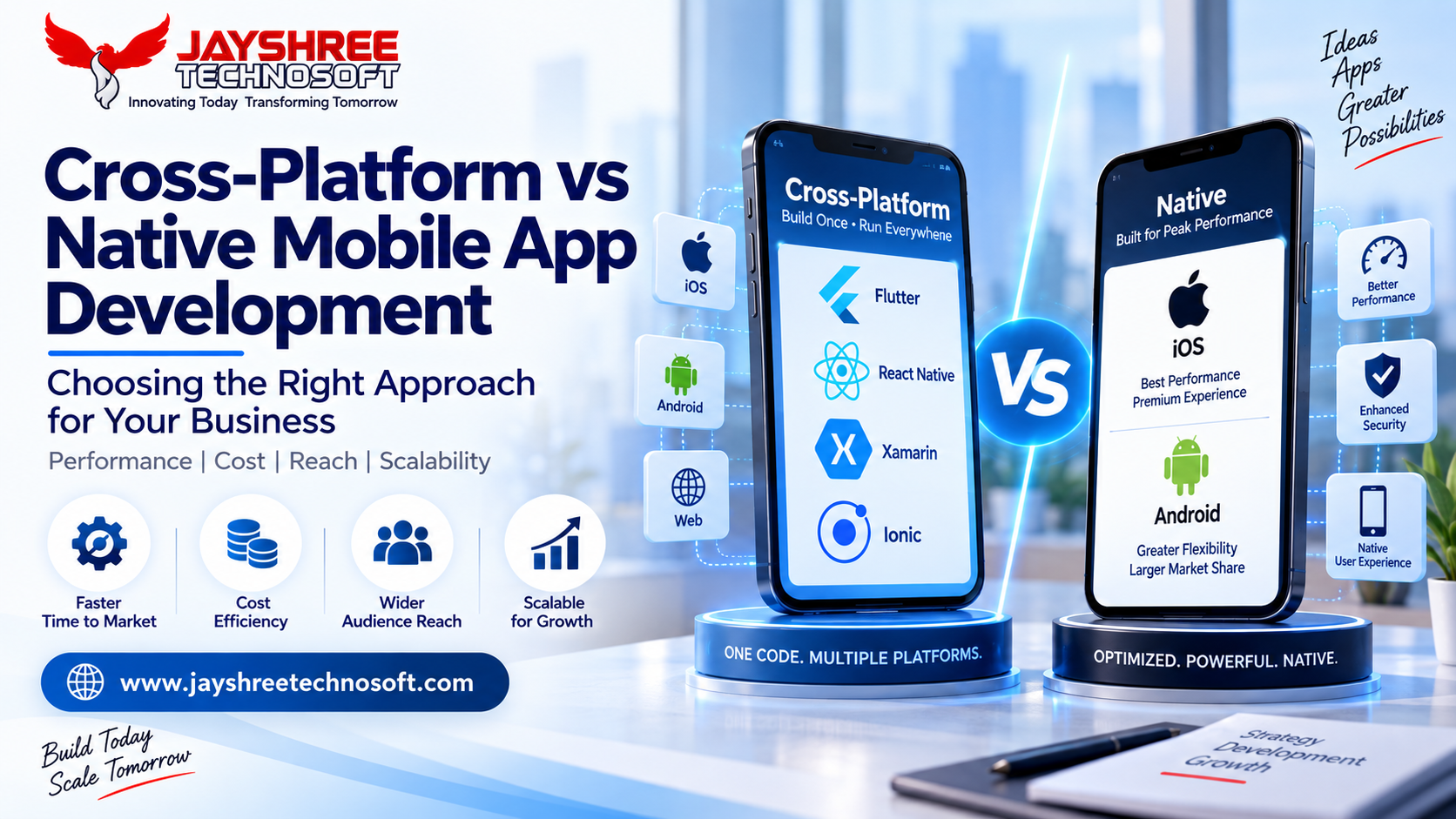
One of the earliest, most consequential decisions in any mobile app project is whether to build natively for iOS and Android separately, or use a cross-platform framework that shares a single codebase across both. Both approaches are genuinely valid, and the right answer depends on a project's specific priorities — not on which approach happens to be more fashionable at the moment.
What Native and Cross-Platform Actually Mean
Native development builds separate applications for iOS and Android, each written in the platform's own language and using its own tools — delivering the closest possible integration with each platform's capabilities. Cross-platform frameworks (like Flutter or React Native) allow a single codebase to run on both platforms, trading some platform-specific depth for significant development efficiency.
When Native Development Is the Right Choice
Performance-Critical Applications
Apps with demanding performance requirements — complex animations, heavy graphics processing, or applications like high-end games — generally benefit from native development's direct access to platform-specific optimization.
Deep Platform-Specific Feature Requirements
Applications that need to use the latest or most advanced platform-specific hardware or software features, immediately upon release, are often better served by native development, since cross-platform frameworks can lag slightly behind in supporting brand-new platform capabilities.
Long-Term, Platform-Differentiated Products
For a product where iOS and Android user experiences are expected to diverge significantly over time, native development gives each platform team full independence to build the ideal experience for their specific platform.
When Cross-Platform Development Makes More Sense
Faster Time to Market With Limited Budget
A single shared codebase means faster development and lower cost compared to building and maintaining two entirely separate native applications — a significant advantage for startups or projects needing to launch and validate an idea quickly.
Consistent Experience Across Platforms
For products where a consistent, unified experience across iOS and Android is more important than platform-specific optimization, cross-platform development delivers this naturally, since both versions share the same underlying code.
Simpler Long-Term Maintenance
Bug fixes and feature updates generally need to be made once, in a single codebase, rather than implemented and tested separately across two native codebases — a meaningful advantage for ongoing maintenance cost and speed.
The Trade-Offs Worth Understanding Clearly
Cross-platform apps, despite significant improvements over the years, can still fall slightly short of native apps in performance-critical scenarios and in immediate access to the very latest platform-specific features. Native development, meanwhile, essentially doubles development and maintenance effort compared to a single cross-platform codebase.
A Practical Way to Decide
The right choice generally comes down to three questions: how performance-critical and platform-differentiated does the app genuinely need to be, what's the realistic budget and timeline available, and how important is long-term maintenance efficiency compared to squeezing out maximum platform-specific performance.
How Jayshree Technosoft Approaches This Decision
Jayshree Technosoft LLP evaluates a project's actual performance requirements, budget, and timeline before recommending native or cross-platform development — rather than defaulting to one approach regardless of what a specific project genuinely needs.
Planning a mobile app and unsure which approach fits? Discuss your project with the team.
Recent Articles

Custom CRM & Software Solutions for Mobile & Accessories Stores: How Jayshree Technosoft Can Help
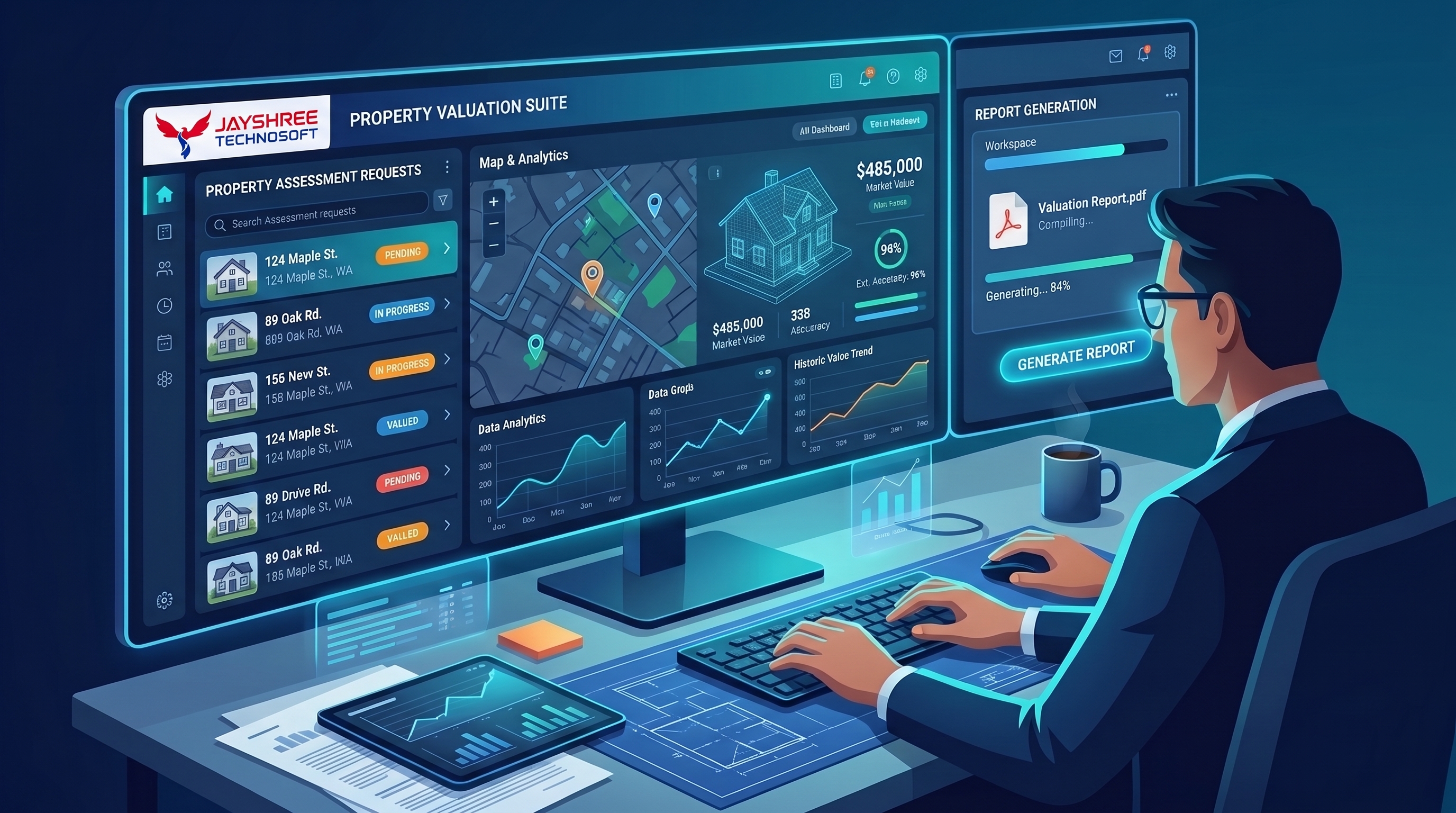
Custom CRM & Software Solutions for Property Valuation & Survey Companies: How Jayshree Technosoft Can Help
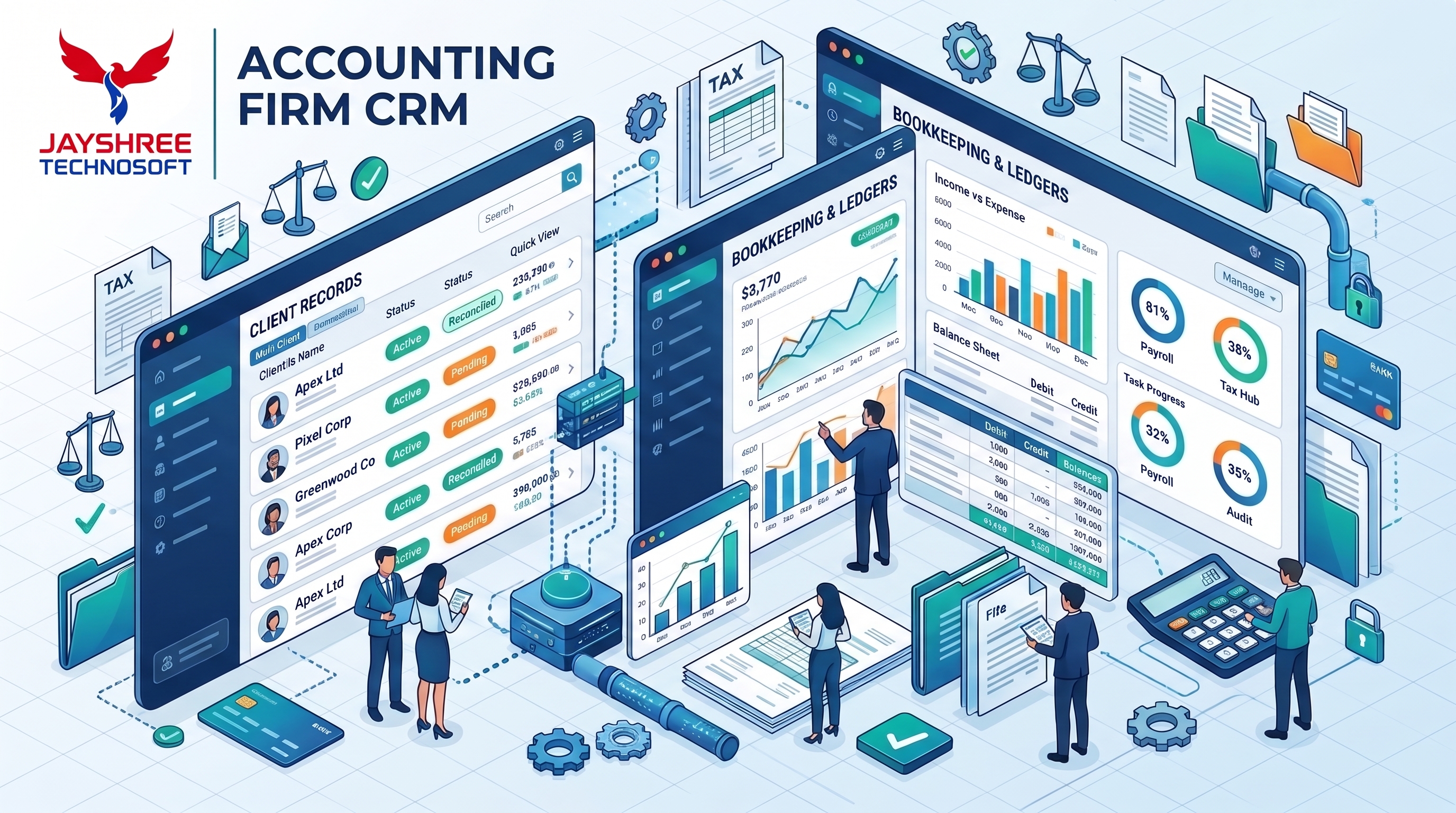
Custom CRM & Software Solutions for Accounting Firms: How Jayshree Technosoft Can Help